
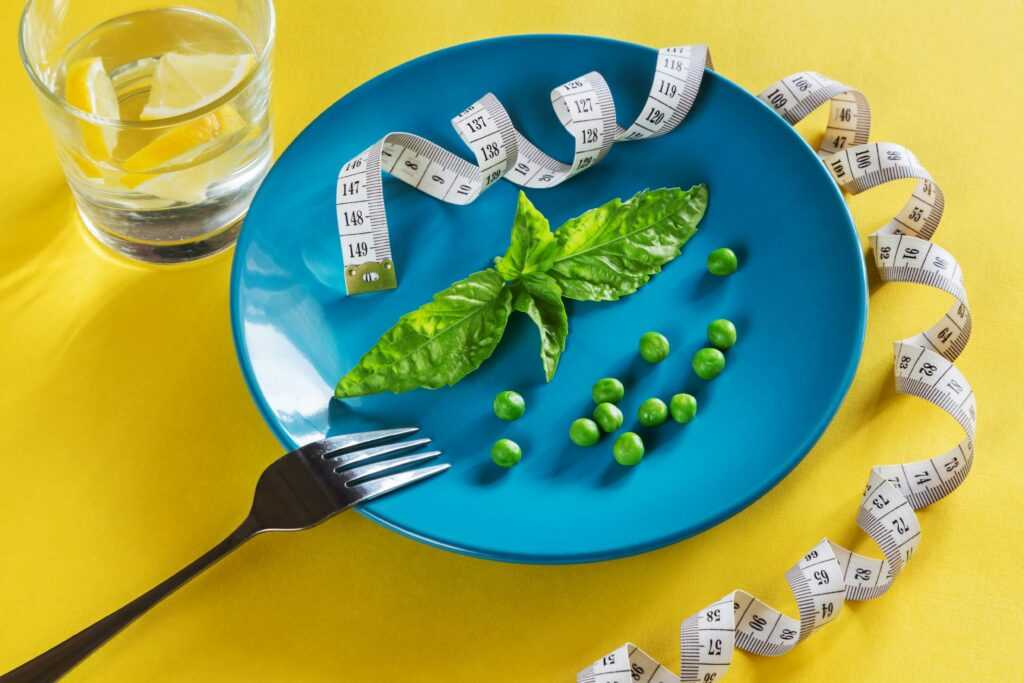
Why Eating Healthy Doesn’t Have to Be Expensive
Let’s get one thing straight: eating healthy isn’t just for people with padded bank accounts or fancy reusable containers. The idea that healthy = costly is a myth. What actually drives up grocery bills is poor planning, chasing the latest superfood trend, and tossing half your produce at the end of the week. Real healthy eating just takes strategy.
Start with this mindset: nutrient density over brand names. Skip overpriced packaged health snacks that brag about being keto, gluten free, or raw. You’re better off with whole foods that pull their weight think oats, lentils, eggs, canned beans, frozen spinach. These aren’t glamorous, but they’re packed with what your body needs and cost a fraction of the hyped up stuff.
Planning is where the money saving magic really happens. Build meals around ingredients that overlap like a bag of carrots that works in your soup, your stir fry, and a quick snack. Use up what you buy, avoid impulse spending, and map out meals before you hit the store. Waste less, spend less, eat better. Simple as that.
Budget Friendly Pantry Essentials
Eating on a budget starts with stocking the right staples. By choosing ingredients that last long and offer versatility, you can create multiple healthy meals without constantly shopping or spending.
Shelf Stable Staples That Go the Distance
Some basic dry goods can serve as the foundation for dozens of affordable meals. Keep these on hand to stretch your grocery budget:
Brown rice A hearty whole grain packed with fiber and ideal for stir fries, bowls, soups, and sides.
Lentils Inexpensive, protein rich, and quick to cook. Perfect for soups, stews, and vegetarian burgers.
Oats Great for more than just breakfast. Use them in baking, energy bites, or even as a binder in savory dishes.
These ingredients don’t spoil quickly, can be bought in bulk, and adapt well to different flavor profiles.
Low Cost, High Impact Proteins
Animal based or plant based, these proteins are both budget friendly and nutritionally dense:
Canned fish (like tuna or salmon) Long shelf life, excellent protein, and healthy fats. Use in salads, sandwiches, or pasta.
Eggs Affordable, versatile, and packed with nutrients. Great for any meal of the day.
Beans (canned or dry) Reliable and filling. Mix into chili, tacos, grain bowls, or eat as a quick side.
Frozen vs. Fresh: What’s Smarter?
While fresh produce is great, it’s not always the most cost effective especially if unused portions go to waste. Frozen fruits and vegetables offer several advantages:
Longer shelf life Reduces food waste and emergency grocery trips.
Picked at peak ripeness Often more nutrient rich than out of season fresh varieties.
Pre chopped and ready to use Saves on prep time and cooking effort.
Use frozen spinach in soups, frozen berries in oatmeal or smoothies, and frozen mixed veggies in stir fries to get all the benefits without breaking the bank.
A smart pantry is the backbone of budget friendly, balanced meals. Plan around these essentials, and you’ll eat well without overspending.
Smart Shopping, Smarter Cooking
Planning is half the battle. A weekly meal plan paired with a simple shopping list cuts impulse buys and wasted food. You know what you’re eating, what it costs, and what to prep no more emergency takeout because you forgot to defrost something. Keep it basic: 3 4 core meals, some flexible backup ingredients, and a few go to snacks. Stick to the list unless you stumble across a genuinely good deal.
That brings us to timing. Sales cycles happen like clockwork. Grocery stores rotate discounts on produce, proteins, and pantry items, especially around weekly ads and end of season shifts. Buy what’s cheap this week, not what you always buy. Seasonal produce (think: squash in fall, berries in summer) not only tastes better it’s priced to move.
In the kitchen, batch cooking is a quiet life saver. Make double portions of soups, grains, or protein bowls and freeze the extras. Leftovers aren’t boring if you think a step ahead today’s roasted veggies become tomorrow’s wrap filling or fried rice base. Repurposing meals means fewer ingredients, less prep, and way less waste. Efficient, affordable, and still healthy.
Sample Meal Ideas Under $3/Serving

You don’t have to break the bank to eat well. Here are four simple, satisfying meals that stay under $3 per serving and don’t skimp on flavor or nutrition.
Hearty Veggie Stir Fry with Brown Rice
Start with a bag of frozen stir fry vegetables, toss them in a hot pan with a splash of oil, soy sauce, and garlic. Serve over cooked brown rice. Add an egg or tofu if you’ve got extra room in the budget. It’s fast, flexible, and loaded with fiber.
Lentil Soup with Carrots and Frozen Spinach
A true pantry warrior. Simmer lentils with diced carrots, onion, and garlic. Stir in frozen spinach toward the end. Season well (a spoonful of cumin and paprika go a long way). Makes enough for dinner tonight and lunch tomorrow.
Scrambled Eggs, Sweet Potatoes, and Sautéed Kale
Sweet potatoes roast up easily in the oven while you sauté kale with a bit of olive oil. Scramble a couple of eggs on the side, and you’ve got a balanced plate full of color and staying power.
DIY Burrito Bowls with Canned Beans and Frozen Corn
Brown rice base, canned black beans (rinsed), frozen corn (warmed through), and anything else you’ve got on hand cheese, avocado, salsa. It’s a build your own meal that’s as easy to scale up as it is to stretch across the week.
Get More Out of Simple Ingredients
Budget meals aren’t about cutting corners they’re about using what you’ve got to the fullest. Instead of thinking in recipes, start thinking in elements. A batch of roasted vegetables can carry over from tacos to grain bowls to breakfast scrambles. Cook a pot of lentils once, and suddenly you’ve got soup, salad toppers, and even a filling for wraps. Stretching ingredients is less about sacrifice and more about smart planning.
Here’s the kicker: even the simplest ingredients can be leveled up with the right seasoning. Texture, too, pulls weight a little crunch goes a long way in making meals feel satisfying. A spoon of yogurt, a fried egg, or a splash of acid can turn bland into bold. The key is to treat your pantry like a toolbox, not a checklist.
Looking for more practical, no fuss tips? Check out Simple nutrition ideas that make meals shine.
Small Habits That Save Big
Efficiency is everything when you’re cooking on a tight budget. Start with this rule: cook once, eat three times. Make a big batch of something that holds up like chili, grains, or roasted veggies and portion it out for later. Same ingredients, multiple meals. Less stress, less waste.
Leftovers shouldn’t be sad containers you forget in the fridge. They’re raw material. Last night’s chicken becomes today’s stir fry or tomorrow’s sandwich. Got extra roasted vegetables? Toss them into a wrap or blend into a soup base. Get good at reimagining instead of reheating.
And always have one no fail cheap meal stocked and ready. Think canned beans, pasta, or eggs something that doesn’t need much prep, saves you from impulse delivery, and still fuels you right. It’s peace of mind in the form of pantry staples.
Build these habits into your week. They keep your budget tighter and your meals better.
Double Down on Nutrition Without Spending More
Healthy eating doesn’t mean fancier food it means food that pulls its weight. Swapping out empty calories for nutrient dense choices isn’t about overhauling your diet overnight. It’s small, steady upgrades.
Start with the basics. Trade white rice for brown. Swap soda for water, or add a splash of lemon or frozen berries to stay interested. Go for oatmeal instead of sugary cereal cheaper and actually keeps you full. Instead of another bag of chips, grab a jar of natural peanut butter, an apple, or some hard boiled eggs.
Boosting fiber, protein, and vitamins doesn’t need to wreck your wallet. Bulk up meals with frozen veggies, canned beans, or leftover roasted squash. Make cheap add ons work harder: spinach in your eggs, lentils in your soup, frozen berries in your toast topping. Canned tuna or sardines underrated and loaded with protein and omega 3s.
Want more ideas with no filter? Check out these simple nutrition ideas built for real world eaters who care more about value than labels.
Closing Tip
You don’t need to double your grocery budget to eat well. What matters is how you plan, shop, and cook. A cart full of name brands and fancy ingredients doesn’t guarantee balanced meals smart strategies do. Stick to staples that work across multiple dishes. Use every part of what you buy. Prep ahead. Freeze what you can.
Healthy eating on a budget isn’t about sacrifices it’s about small shifts. Oats over sugary cereal. Frozen spinach over wilting produce. Canned fish instead of takeout.
If you’re intentional about it, your meals can do more with less. Skip the gimmicks, keep it simple, and focus on real food that works hard for your body and your wallet.
 Ask Michael Dilliorez how they got into culinary techniques and guides and you'll probably get a longer answer than you expected. The short version: Michael started doing it, got genuinely hooked, and at some point realized they had accumulated enough hard-won knowledge that it would be a waste not to share it. So they started writing.
What makes Michael worth reading is that they skips the obvious stuff. Nobody needs another surface-level take on Culinary Techniques and Guides, Healthy Eating Strategies, Food Trends and Insights. What readers actually want is the nuance — the part that only becomes clear after you've made a few mistakes and figured out why. That's the territory Michael operates in. The writing is direct, occasionally blunt, and always built around what's actually true rather than what sounds good in an article. They has little patience for filler, which means they's pieces tend to be denser with real information than the average post on the same subject.
Michael doesn't write to impress anyone. They writes because they has things to say that they genuinely thinks people should hear. That motivation — basic as it sounds — produces something noticeably different from content written for clicks or word count. Readers pick up on it. The comments on Michael's work tend to reflect that.
Ask Michael Dilliorez how they got into culinary techniques and guides and you'll probably get a longer answer than you expected. The short version: Michael started doing it, got genuinely hooked, and at some point realized they had accumulated enough hard-won knowledge that it would be a waste not to share it. So they started writing.
What makes Michael worth reading is that they skips the obvious stuff. Nobody needs another surface-level take on Culinary Techniques and Guides, Healthy Eating Strategies, Food Trends and Insights. What readers actually want is the nuance — the part that only becomes clear after you've made a few mistakes and figured out why. That's the territory Michael operates in. The writing is direct, occasionally blunt, and always built around what's actually true rather than what sounds good in an article. They has little patience for filler, which means they's pieces tend to be denser with real information than the average post on the same subject.
Michael doesn't write to impress anyone. They writes because they has things to say that they genuinely thinks people should hear. That motivation — basic as it sounds — produces something noticeably different from content written for clicks or word count. Readers pick up on it. The comments on Michael's work tend to reflect that.