
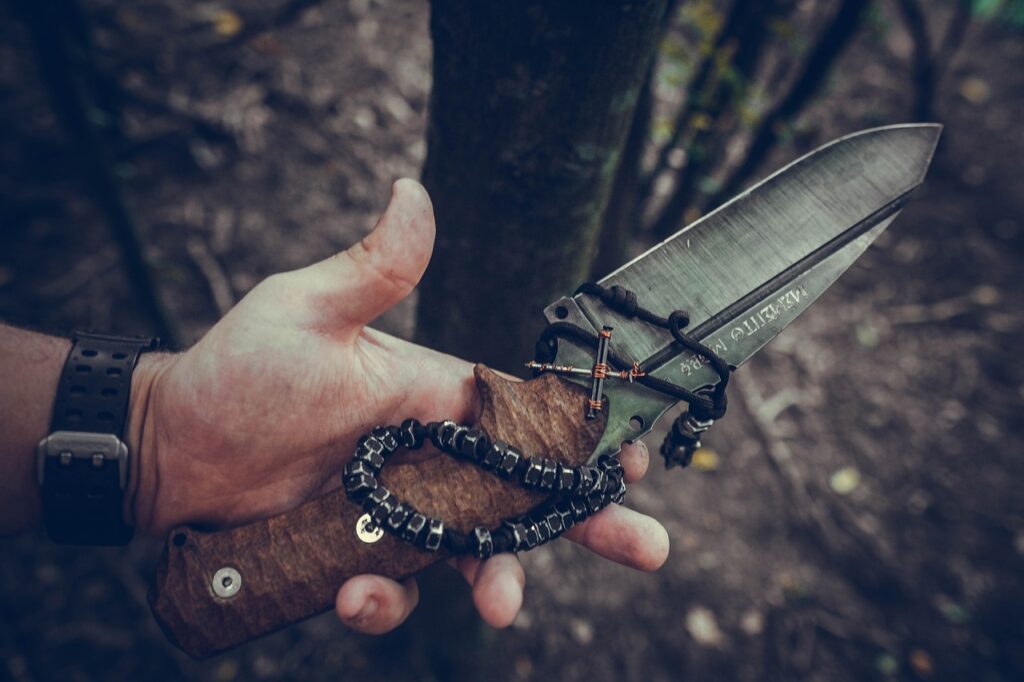
Start With the Right Knife
Before you dice an onion or julienne a bell pepper, you need the right blade in your hand. Not all kitchen knives are created equal, and understanding the differences can make or break your prep.
Let’s keep it simple. The chef’s knife is your workhorse good for slicing, chopping, and just about everything in between. With a broad blade about 8 inches long, it delivers power and versatility. Then there’s the paring knife small, nimble, and perfect for precision work like peeling fruit or deveining shrimp. The santoku, a Japanese style knife, sits somewhere in the middle great for fine slicing and dicing, especially if you’re working with smaller hands or tighter spaces.
What makes a good knife? Three things: weight, balance, and grip. A knife should feel like an extension of your arm not too heavy, not too light. Balanced weight across the blade and handle helps control. And a solid, non slip grip matters more than you think especially when your hands are wet or oily from prep.
Knife quality doesn’t just affect how clean your cuts look. It directly impacts safety. A dull, poorly balanced knife slips and tears; a sharp, well made one glides with purpose. Chefs don’t invest in quality blades to show off they do it so they stay fast, clean, and injury free in the kitchen.
Start with one solid knife you trust. Learn how it moves. Then build from there.
Chopping
Chopping is your go to move for quick, rough prep. Think herbs, nuts, garlic stuff that doesn’t need to look pretty but still needs to be broken down evenly. The key is control, not speed. Use an up and down motion with your knife, keeping the tip anchored or gently rocking if the ingredient needs it. Your guiding hand should form a claw, knuckles forward, keeping fingers out of harm’s way.
Avoid the common newbie mistake: hacking away with random swings. It’s not faster, and it leads to uneven results. Let the knife do the work. Use a sharp blade, steady motion, and reset your grip when things slip.
Dicing
Dicing is where precision starts to matter. You’re aiming for consistency small cubes that’ll cook evenly in a pan or roast uniformly in the oven. Ideal for onions, carrots, and potatoes. First, square off irregular sides so your ingredient sits flat (stability is everything). Then, slice it into uniform slabs, strips, and finally cubes.
Adjust your dice size based on what you’re making. Stir fry? Smaller is better. Roasting? Medium or large keeps it from turning to mush. Good dice work improves texture, presentation, and flavor distribution.
Julienne
Julienne cuts are about finesse. You’re creating long, thin matchstick size strips great for raw veggie salads, stir fries, or garnishes. Bell peppers, zucchini, and even apples work well here. Start by cutting the item into evenly sized slabs or planks. Stack, then slice into strips.
This isn’t the move to rush. Keep your blade sharp, your fingers curled in, and your focus on keeping widths consistent. Julienne is where good technique really shows.
Honing vs. Sharpening: What’s the Difference?
Understanding the difference between honing and sharpening is key to maintaining a safe, effective kitchen knife. Both serve specific purposes, and knowing when to use each method will help you keep your blades in top condition.
Sharpening: Restoring the Edge
Sharpening is the process of actually grinding away metal to create a new, sharp edge on your knife. This is typically done with a whetstone or a mechanical sharpener.
Purpose: Rebuilds a dull blade by reshaping the edge
Frequency: Only needed a few times a year, depending on use
Tools: Whetstone, manual or electric sharpeners
When to sharpen:
Slicing becomes inconsistent or requires extra force
You notice the blade slipping rather than cutting cleanly
Honing: Realigning the Blade
Honing does not remove metal instead, it realigns the microscopic burrs and bends that form along a blade’s edge during regular use. It’s a quick maintenance step that keeps your knife performing well between sharpening sessions.
Purpose: Restores alignment and maintains sharpness
Frequency: Every few uses (ideally before each session)
Tools: Honing rod (steel or ceramic)
Quick tip: Hold your honing rod vertically and run the knife at a 15 20° angle, alternating sides with each stroke (about 5 8 times per side).
Why It Matters
A dull blade is not just ineffective it’s dangerous. Dull knives require more pressure, increasing the risk of slipping and injury. Regular honing keeps your knife sharp and safe, reducing the need for constant sharpening and improving your overall kitchen efficiency.
Key takeaway:
Hone often, sharpen occasionally.
A well maintained knife makes prep work faster, cleaner, and safer.
Safety Comes First

Let’s be clear: knife skills mean nothing if your fingertips are in danger. First, master the claw grip. Tuck your fingertips in and rest the flat part of your knuckles against the side of the blade. This creates a built in guard and gives you better control. It’s not flashy but pros use it for a reason: it works.
Now take a look at your cutting surface. A slick board that slides around is asking for trouble. Always go with a non slip cutting board. If yours doesn’t grip the counter, fix it fast. Pro move: place a damp towel underneath. It locks the board in place and keeps you focused on your knife not chasing runaway veggies.
Safety doesn’t slow you down. It sets the foundation for speed later. Get these basics locked in before you go showing off.
Knife Skills and Better Cooking
Uniform cuts aren’t about looking fancy they’re about cooking smart. When everything is cut the same size, it cooks at the same rate. No half raw carrots next to mushy ones. No over seared onion mixed in with translucent slivers. Consistency in size gives you consistency in texture and flavor, plain and simple.
Forget speed for now. If you’re racing through prep but ending up with uneven chunks, you’re creating more problems than you’re solving. Take your time and get the shape and size right. Muscle memory will speed you up later but accuracy is always the baseline.
This doesn’t just matter for three star meals. Clean, consistent cuts make everyday pasta, stir fries, or salads feel more put together, more enjoyable. You’ll taste the difference and so will anyone else at the table.
(Explore more recipe preparation tips)
Practice Makes Precision
Knife skills aren’t about flash they’re about control. Don’t aim for speed right away. Start slow, and focus on mastering one technique at a time. You don’t need to julienne a dozen carrots in under a minute. You just need clean, consistent cuts.
Practice on produce that won’t break the bank or your spirit cucumbers, carrots, apples. They’re sturdy, forgiving, and cheap. Make the same cuts again and again until muscle memory kicks in. That’s how chefs build precision.
Need a push? There’s a world of tutorials out there. Video guides give you angles and pace; in person classes offer personal feedback you can’t get from YouTube. Either way, the key is repetition. Patience turns shaky slices into confident, clean prep.
Next Step: Apply What You’ve Learned
Now that you’ve got the basics, it’s time to put them to work. Pick a recipe any one that calls for a few veggies, some herbs, maybe some protein and prep the entire thing using only your chef’s knife. No shortcuts, no switching blades. This forces you to rely on the skills you’ve built and start moving with more intention across every slice.
As you prep, take a hard look at your cuts. Are your cubes actually cubes? Are your julienne strips even and consistent? More importantly, are the ingredients cooking evenly, and does the final dish look cleaner on the plate? These are details that separate a clumsy chop from clean, pro level prep.
To push your progress even further, merge your knife work with smarter cooking strategies. Pair your skills with practical, nutrition forward recipe preparation tips. That’s where home cooking starts to really feel elevated. Once you’ve prepped a few full meals this way, muscle memory kicks in and that’s where the confidence lives.
 Ask Michael Dilliorez how they got into culinary techniques and guides and you'll probably get a longer answer than you expected. The short version: Michael started doing it, got genuinely hooked, and at some point realized they had accumulated enough hard-won knowledge that it would be a waste not to share it. So they started writing.
What makes Michael worth reading is that they skips the obvious stuff. Nobody needs another surface-level take on Culinary Techniques and Guides, Healthy Eating Strategies, Food Trends and Insights. What readers actually want is the nuance — the part that only becomes clear after you've made a few mistakes and figured out why. That's the territory Michael operates in. The writing is direct, occasionally blunt, and always built around what's actually true rather than what sounds good in an article. They has little patience for filler, which means they's pieces tend to be denser with real information than the average post on the same subject.
Michael doesn't write to impress anyone. They writes because they has things to say that they genuinely thinks people should hear. That motivation — basic as it sounds — produces something noticeably different from content written for clicks or word count. Readers pick up on it. The comments on Michael's work tend to reflect that.
Ask Michael Dilliorez how they got into culinary techniques and guides and you'll probably get a longer answer than you expected. The short version: Michael started doing it, got genuinely hooked, and at some point realized they had accumulated enough hard-won knowledge that it would be a waste not to share it. So they started writing.
What makes Michael worth reading is that they skips the obvious stuff. Nobody needs another surface-level take on Culinary Techniques and Guides, Healthy Eating Strategies, Food Trends and Insights. What readers actually want is the nuance — the part that only becomes clear after you've made a few mistakes and figured out why. That's the territory Michael operates in. The writing is direct, occasionally blunt, and always built around what's actually true rather than what sounds good in an article. They has little patience for filler, which means they's pieces tend to be denser with real information than the average post on the same subject.
Michael doesn't write to impress anyone. They writes because they has things to say that they genuinely thinks people should hear. That motivation — basic as it sounds — produces something noticeably different from content written for clicks or word count. Readers pick up on it. The comments on Michael's work tend to reflect that.