

Why Batch Cooking Works for Weight Goals
Weight loss isn’t just about willpower it’s about systems. Batch cooking offers a simple, no nonsense way to stay on track. First, it takes the guesswork out of portions. When you prep meals ahead, you control exactly what goes in. That means fewer surprise calories and more consistency over time.
It also cuts down on those impulsive food grabs because let’s be honest, when energy dips, convenience usually beats intention. But if there’s a solid meal already waiting, the decision’s made. You grab, heat, and go. Simple.
And here’s the game changer: time. Batch cooking banks time up front so you’re not stuck cooking every night. That means you’re more likely to stick with healthier habits week after week. Less stress, fewer bad choices, more wins.
Getting Started: Tools and Basics
Before you go full steam into batch cooking, lock down your essentials. You’re going to need a solid set of storage containers preferably BPA free, stackable, and microwave safe. Not just a few. Enough to manage multiple meals across an entire week. When in doubt, get more.
Next, choose your weapon: a slow cooker or an Instant Pot. Both save time and let you cook in bulk without babysitting the stove. The Instant Pot wins for speed, especially if you’re juggling meals and a busy schedule. Slow cooker’s great for set it and forget it meals. Pick based on your pace.
A simple meal planner rounds out your starting kit. Old school paper or digital whatever keeps you organized. Planning beats guessing when your goal is weight management.
When picking recipes, stick to meals that hold up well. Think soups, stews, grain bowls, baked dishes. Avoid anything that gets weird after freezing like dairy heavy sauces or fried stuff. If it reheats fast and still tastes good, it’s probably a win.
Pro tip: label everything. Write the date cooked, the contents, and if you’re tracking macros per serving. Sharpies and masking tape work fine. No mystery containers, no fridge roulette.
It’s not fancy. It’s functional. And that’s how you build real consistency.
Planning a Smart Batch Cooking Routine
The foundation of effective batch cooking is dead simple: pick a protein, add a veggie (or three), toss in a whole grain, and don’t forget healthy fats. That’s your base meal formula. No fluff, no guesswork. Think grilled chicken + roasted broccoli + quinoa + olive oil drizzle. From there, you scale, swap, or season depending on your taste or dietary needs.
Rotating your ingredients keeps things balanced. Don’t rely on the same three meals all week. Sub in lentils instead of chicken. Choose sweet potatoes one week, barley the next. This kind of variety stops burnout and fills in nutritional gaps without needing a spreadsheet.
To keep your process lean and sustainable, adopt a simple batch flow: shop once, prep once, and cook twice per week. Do the bulk prep on a weekend wash, chop, marinate, maybe cook a few key items. Then do one more quick cook midweek to refresh your stash. You’re never scrambling, but you’re also not locked into reheating the same chili five nights in a row.
Want to start strong? Learn the basics from these nutritious cooking tips.
Sample Batch Menu for the Week
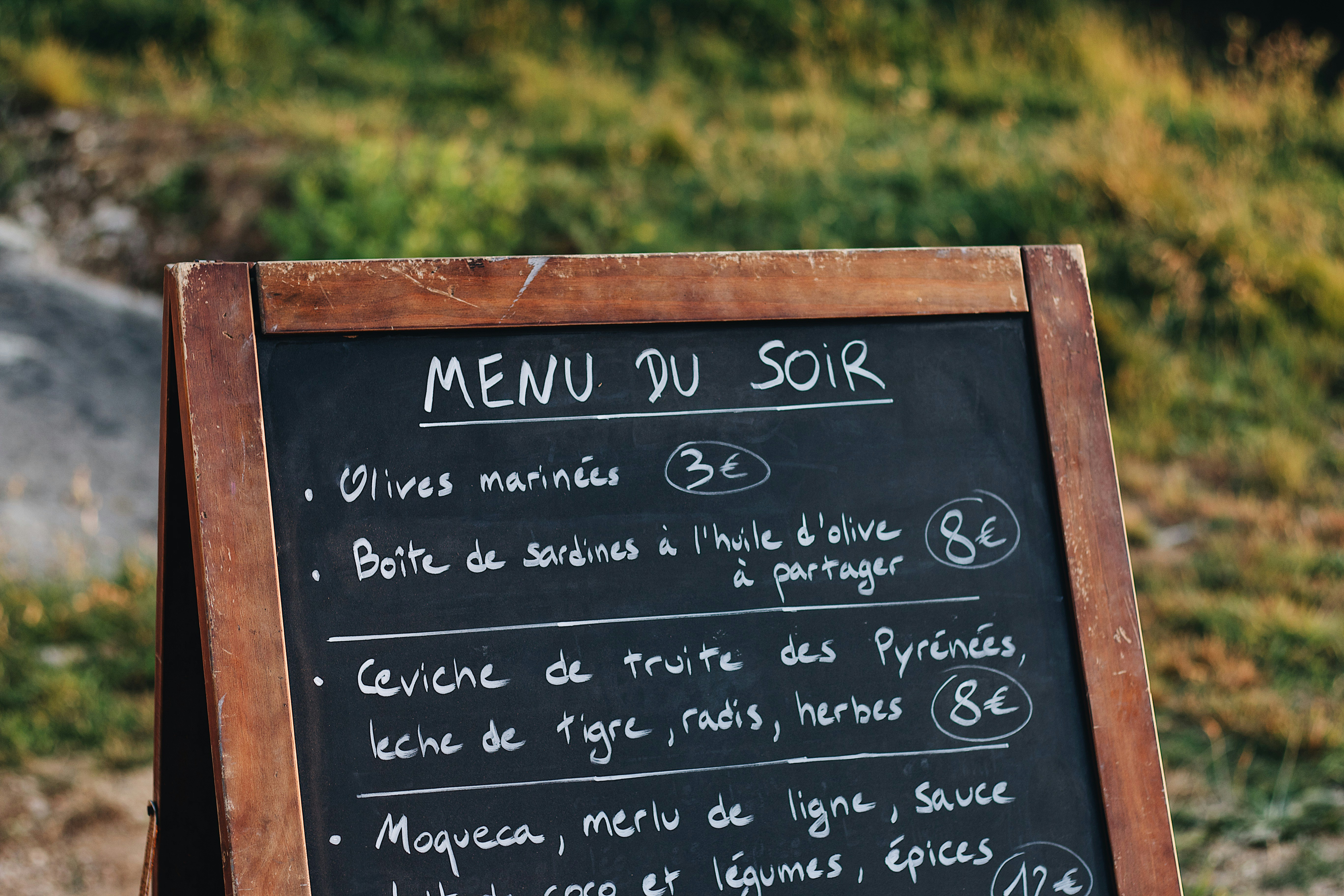
Here’s a no fuss menu layout that covers your bases: balanced, reheatable, and built for mixing things up without cooking seven different meals. Batch once, eat smart all week.
Breakfast is all about grab and go. Rotate between overnight oats prepped in jars (think almond milk, rolled oats, fruit), egg muffins with spinach or turkey sausage, and chia yogurt jars layered with berries and seeds. They keep well and taste better after a day in the fridge.
Lunch should hit that middle of the day satisfaction sweet spot. Go for quinoa bowls loaded with roasted veggies and chickpeas, grilled chicken with steamed green beans and sweet potatoes, or a hearty lentil soup packed with fiber. Portion into containers and stash extras in the freezer.
Dinner doesn’t need to be a production. Think practical: turkey chili (freezes like a dream), baked salmon with lemon and asparagus, or a fast stir fry using pre chopped vegetables and brown rice. Cook once, eat twice.
The mix and match strategy is what keeps it sustainable. Swapping proteins or adding new sauces keeps things fresh. No extra effort, just smarter prep.
Staying on Track Without Burnout
Even the most dialed in batch cooking plan can hit a wall if it gets too repetitive. That’s where spice mixes, sauces, and a little planning ahead come in. Keep a few go to flavor boosters in rotation like chimichurri, curry spice blends, or a homemade vinaigrette to make old staples feel new again. It takes two minutes, but it transforms a meal.
Life gets messy, and that’s when unhealthy food decisions sneak in. To guard against that, prep a few “emergency meals” freezer friendly options that heat up fast but still fit your plan. Think: turkey meatballs, hearty soups, or grain bowls with roasted veggies. They’re your safety net when time or motivation’s in short supply.
Lastly, don’t set your batch plan in stone. What worked last week might not match your mood or your progress this week. Revisiting your setup every two weeks gives you the space to adjust for cravings, shake up flavors, and course correct if you’re plateauing. Flexibility isn’t failure; it’s how you make this sustainable.
Batch Cooking the Nutritious Way
Counting calories is part of the picture but not the whole story. When it comes to batch cooking for weight management, what you eat matters just as much as how much. That means stacking your meals with fiber rich vegetables, lean proteins like chicken or lentils, and healthy fats from sources like avocado, nuts, or olive oil.
Your portion needs aren’t set in stone. Goals change so should your plate. If you’re losing body mass, your energy needs drop. Hitting the gym more? You’ll need fuel to match. Make it a habit to reassess serving sizes every few weeks. It’s not about eating less; it’s about eating better.
Choosing nutrient dense ingredients is your shortcut to meals that satisfy and support your goals. Think color, texture, and variety. The better your food works for you nutritionally, the easier it is to stay consistent without boredom. Need help dialing it in? Take a look at these expert nutritious cooking tips.
Wrap Up: Make Consistency Tasty
Weight management isn’t about being perfect it’s about showing up. Success doesn’t come from rigid rules or trendy diets. It comes from repeatable, simple habits that fit your life. That’s where batch cooking wins: one solid prep session sets you up for less decision fatigue, fewer last minute food grabs, and meals you actually want to eat.
When the work is done up front, it’s easier to stick to your goals without feeling chained to them. You’re not reinventing the wheel every day you’re following a plan and fueling your body. Over time, that small consistency stacks up. It becomes lifestyle, not punishment.
Think of meal prep as a quiet power move. It won’t scream, but it works. Build strong routines, focus on real food, and let those choices compound into something sustainable. That’s how you manage weight and keep your sanity.
 Ask Cynthia Kingerstin how they got into delicious recipes and cooking tips and you'll probably get a longer answer than you expected. The short version: Cynthia started doing it, got genuinely hooked, and at some point realized they had accumulated enough hard-won knowledge that it would be a waste not to share it. So they started writing.
What makes Cynthia worth reading is that they skips the obvious stuff. Nobody needs another surface-level take on Delicious Recipes and Cooking Tips, Meal Planning and Preparation, Food Trends and Insights. What readers actually want is the nuance — the part that only becomes clear after you've made a few mistakes and figured out why. That's the territory Cynthia operates in. The writing is direct, occasionally blunt, and always built around what's actually true rather than what sounds good in an article. They has little patience for filler, which means they's pieces tend to be denser with real information than the average post on the same subject.
Cynthia doesn't write to impress anyone. They writes because they has things to say that they genuinely thinks people should hear. That motivation — basic as it sounds — produces something noticeably different from content written for clicks or word count. Readers pick up on it. The comments on Cynthia's work tend to reflect that.
Ask Cynthia Kingerstin how they got into delicious recipes and cooking tips and you'll probably get a longer answer than you expected. The short version: Cynthia started doing it, got genuinely hooked, and at some point realized they had accumulated enough hard-won knowledge that it would be a waste not to share it. So they started writing.
What makes Cynthia worth reading is that they skips the obvious stuff. Nobody needs another surface-level take on Delicious Recipes and Cooking Tips, Meal Planning and Preparation, Food Trends and Insights. What readers actually want is the nuance — the part that only becomes clear after you've made a few mistakes and figured out why. That's the territory Cynthia operates in. The writing is direct, occasionally blunt, and always built around what's actually true rather than what sounds good in an article. They has little patience for filler, which means they's pieces tend to be denser with real information than the average post on the same subject.
Cynthia doesn't write to impress anyone. They writes because they has things to say that they genuinely thinks people should hear. That motivation — basic as it sounds — produces something noticeably different from content written for clicks or word count. Readers pick up on it. The comments on Cynthia's work tend to reflect that.