
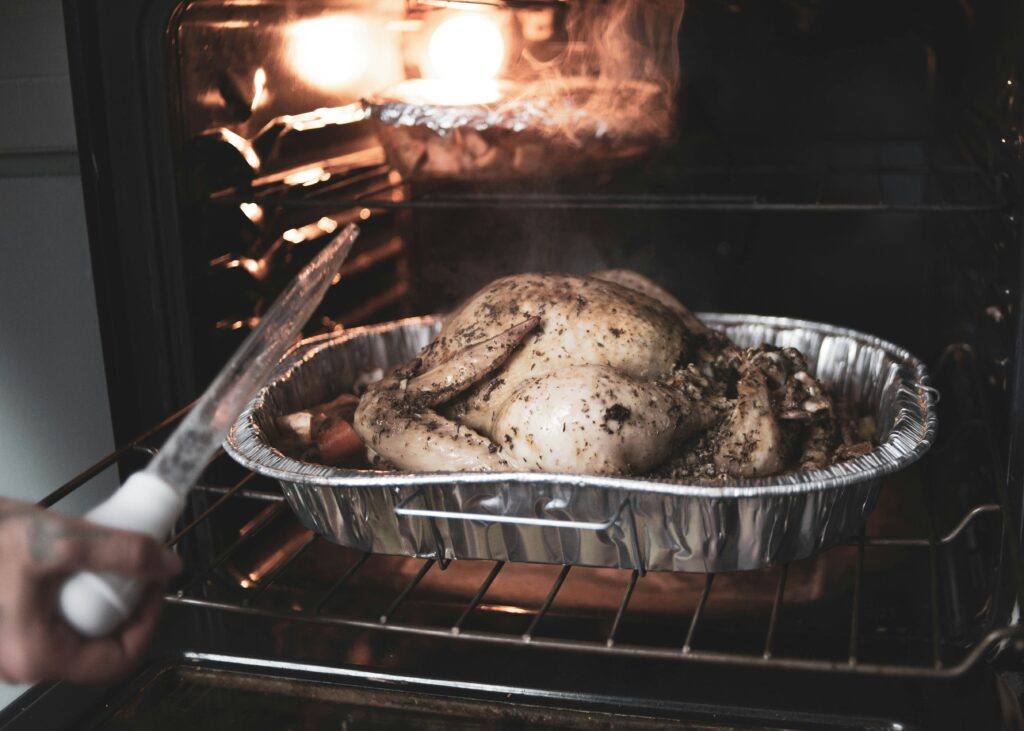
Why Bake Instead of Fry?
Fried wings? Tasty, sure. But anyone who’s mopped up leftover oil from a splattered stove knows the cost. Enter oven baked wings less mess, way less oil, and a surprising boost in crunch when done right. You still get that golden, satisfying bite without turning your kitchen into a grease trap.
Plus, you don’t need to buy or store a deep fryer. Your average home oven and a wire rack do the job just fine. That makes crispy wings more accessible, even for casual cooks working with tight space and limited gear.
In 2026, time is still short and weeknights still chaotic. Baked wings are fast to prep, easy to batch, and hit the sweet spot for both casual dinners and laid back hosting. No babysitting hot oil, no waiting around. Just coat, bake, and serve. Simple.
Choosing the Right Wings
Not all chicken wings are created equal and when it comes to oven baking, a few key factors can make or break your final crispy result.
Fresh vs. Frozen: Does It Matter?
If you’re aiming for maximum crisp, fresh wings give you a head start. That said, frozen wings aren’t off the table they just need a little more love.
Fresh wings typically retain better texture and cook more evenly
Frozen wings can work well if they’re fully thawed and thoroughly dried
Avoid wings with excess moisture or ice crystals these create steam and undo your crispy goals
Drying: Your Not So Secret Weapon
Moisture is the enemy of crisp. No matter where your wings came from, drying them is non negotiable.
Pat each wing dry with paper towels before seasoning
Place the wings on a wire rack and let them air dry in the fridge (uncovered) for a few hours or overnight
The drier the skin, the better the bake
Wing Size and Skin Thickness
Details matter. Larger wings or those with thick skin need different handling.
Smaller wings generally crisp up faster and more evenly
Thicker skin requires slightly more baking time to render the fat and achieve crunch
Choose uniform sized wings if possible consistency makes baking easier and more predictable
Understanding your ingredients is the first step toward crave worthy wings. Start with the right ones, prep them well, and you’re already halfway there.
Prepping for Maximum Crisp
Achieving perfectly crispy oven baked chicken wings starts long before the tray hits the oven. Proper preparation transforms your wings from soggy to sensational.
Why Baking Powder is a Game Changer
Not to be confused with baking soda, baking powder is your secret weapon for crispiness. It raises the pH level of the chicken skin, helping it brown more effectively while drawing out moisture.
Use aluminum free baking powder to avoid any bitter aftertaste
Toss wings with a light, even coat of baking powder for best results
Avoid overcoating use just enough to coat the skin without clumping
The Salt, Rest, and Air Dry Method
Think of this as the trifecta of crisp.
- Salt the wings generously after coating with baking powder. This helps break down proteins and draws out moisture.
- Rest the wings in the fridge for at least 8 24 hours uncovered. This allows the skin to dry out thoroughly.
- Air dry on a wire rack to let air circulate freely around each piece.
This process may seem time consuming, but it’s essential for that crave worthy crunch.
Optional Spices to Level Up Flavor
Before the wings hit the oven, this is your final chance to infuse flavor directly into the skin.
Try a paprika + garlic powder blend for a smoky aroma
Add cayenne or chili powder for heat
Stir in a bit of ground mustard or onion powder for depth
Keep it simple and avoid sugar based rubs at this stage they can burn easily at high baking temperatures. Saucing happens after the bake, not before.
Proper prep is the foundation of flawless wings. Once this stage is locked in, you’re halfway to addictive crunch and flavor.
Baking Techniques That Deliver
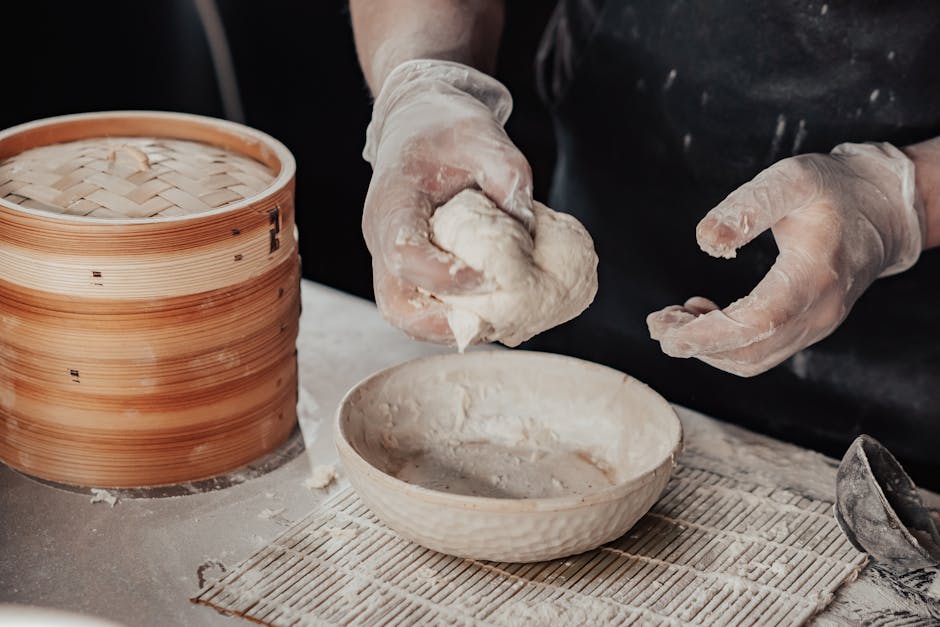
The number 425°F isn’t random it’s the sweet spot for getting crisp, golden skin while cooking the meat through fast enough to keep it juicy. Any cooler and you risk rubbery skin. Any hotter and the fat renders too quickly, drying things out. At 425, wings get that deeply satisfying bite without a greasy mess.
Now, rack vs. baking sheet: use a wire rack. Full stop. Elevating the wings means hot air hits every angle, letting fat drip off instead of pool and steam. That airflow is the difference between blistered crisp and soggy regret. If you have to go direct on the sheet, at least use parchment and space them out like they’re strangers at a bus stop.
Rotating and flipping matter more than you think. Halfway through baking, turn the pan to account for hot spots your oven refuses to explain. Flip the wings too. It’s not just about color on both sides; it’s about building even texture. Crispness isn’t a fluke it’s deliberate. Treat every wing like it’s the only one that matters.
Pro Tips from the Test Kitchen
When to Sauce Your Wings
One of the biggest mistakes home cooks make is saucing wings too early. Coating your wings in sauce before baking might sound intuitive, but it leads to soggy skin and burned flavor. The oven is for crisping save the sauce for later.
Bake first, sauce later: Apply sauces after wings are fully baked and crispy.
Reheat briefly after saucing: Toss wings in warm sauce, then pop them back in the oven for 3 5 minutes to help the flavor stick.
Let them rest slightly: A few minutes of cooling helps wings stay crispy even after saucing.
Master the Double Bake Method
Want deeper color, crunch, and that unforgettable texture? Try double baking your wings. It’s a technique many top kitchens use and now you can, too.
First bake: 45 50 minutes at 425°F, flipping halfway.
Cool for 5 7 minutes: This lets steam escape and prevents sogging.
Second bake: Return wings to the oven for 8 10 minutes to deepen color and lock in that crisp texture.
This method works especially well if wings were marinated beforehand or if you’re skipping baking powder.
Storing and Reheating Without Losing Crunch
Great wings aren’t just for game day you’ll want to enjoy leftovers, too. But improperly stored wings turn rubbery fast. Here’s how to keep them crisp:
Storage: Let wings cool completely before storing in an airtight container. Line with a paper towel to absorb moisture.
Reheating: Avoid the microwave. Instead, reheat in a 375°F oven for 10 12 minutes or use an air fryer for best results.
No sauce yet? Even better: Store wings unsauced, then toss in fresh sauce while reheating for just cooked flavor and texture.
With a little care, next day wings can be just as good or better than day one batches.
Serve Them Like a Pro
Chicken wings pull double duty: they’re the main event and the supporting cast, depending on the crowd. For game day, go beyond a pile of wings and build a platter that looks intentional. Think crispy wings lined up beside celery sticks and blistered shishito peppers. Add a small stack of warm cornbread muffins or spiced sweet potato wedges. Everything should be dippable, grabbable, and able to hold up for a few quarters of game time.
When it comes to sauces, ranch is fine but it’s just the baseline. Dial it up with a smoky chipotle aioli or a boldly tangy blue cheese dip. Want something unexpected? Try a drizzle of hot honey or a dash of gochujang mixed with a little mayo. A good dipping sauce gives your wings dimension. Don’t settle for flat.
Wings and fries? Classic, sure. But roasted cauliflower tossed in garlic oil or a simple carrot slaw? Those kick harder and don’t end in greasy regret. Need something rich to offset the spice? Try a side of pasta with this Creamy Alfredo Sauce from Scratch. It’s indulgent, smooth, and balances a hot plate of wings like nothing else.
This isn’t about overthinking it. Just give your wings the company they deserve.
Common Mistakes to Avoid
If your oven baked wings came out soggy or pale, odds are good one of these mistakes tripped you up. First, don’t overlook drying. Patting the wings dry with paper towels isn’t optional it’s the foundation of a crisp finish. Skip this, and you’re basically asking for rubbery skin.
Second, give your wings room. Cramming them together on the tray turns your oven into a steamer. Use a wire rack if you have one, and make sure hot air can circulate around each wing. Crowds are great for concerts, not for cooking.
Last, stop peeking in the final 10 minutes. This stage is where the real crisp magic happens if you rush it, you miss the payoff. Trust your prep, trust your heat, and don’t yank the wings too early. Ten quiet minutes can mean the difference between crispy and just okay.
Final Take
Crispy oven baked wings aren’t a pipe dream. But they do require a reality check: you can’t just toss raw wings in the oven and expect bar quality crunch. The secret is all in the method. Dry the wings thoroughly. Dust them with baking powder yes, baking powder, not baking soda and salt. Let them rest if possible, even overnight. This gives the skin a head start on crisping up.
Get that oven hot 425°F is your golden zone and use a wire rack to lift the wings off the pan. That airflow under the wings? It makes a difference. Don’t crowd the tray. Flip if needed. Bake until the skin is blistered and golden. Then and only then do you sauce.
Bottom line: it’s not about shortcuts. It’s about stacking small, proven techniques that build to big results. Trust the science, follow the steps, and let the oven do what it does best.
 Malric Tornhaven is the kind of writer who genuinely cannot publish something without checking it twice. Maybe three times. They came to food trends and insights through years of hands-on work rather than theory, which means the things they writes about — Food Trends and Insights, Healthy Eating Strategies, Culinary Techniques and Guides, among other areas — are things they has actually tested, questioned, and revised opinions on more than once.
That shows in the work. Malric's pieces tend to go a level deeper than most. Not in a way that becomes unreadable, but in a way that makes you realize you'd been missing something important. They has a habit of finding the detail that everybody else glosses over and making it the center of the story — which sounds simple, but takes a rare combination of curiosity and patience to pull off consistently. The writing never feels rushed. It feels like someone who sat with the subject long enough to actually understand it.
Outside of specific topics, what Malric cares about most is whether the reader walks away with something useful. Not impressed. Not entertained. Useful. That's a harder bar to clear than it sounds, and they clears it more often than not — which is why readers tend to remember Malric's articles long after they've forgotten the headline.
Malric Tornhaven is the kind of writer who genuinely cannot publish something without checking it twice. Maybe three times. They came to food trends and insights through years of hands-on work rather than theory, which means the things they writes about — Food Trends and Insights, Healthy Eating Strategies, Culinary Techniques and Guides, among other areas — are things they has actually tested, questioned, and revised opinions on more than once.
That shows in the work. Malric's pieces tend to go a level deeper than most. Not in a way that becomes unreadable, but in a way that makes you realize you'd been missing something important. They has a habit of finding the detail that everybody else glosses over and making it the center of the story — which sounds simple, but takes a rare combination of curiosity and patience to pull off consistently. The writing never feels rushed. It feels like someone who sat with the subject long enough to actually understand it.
Outside of specific topics, what Malric cares about most is whether the reader walks away with something useful. Not impressed. Not entertained. Useful. That's a harder bar to clear than it sounds, and they clears it more often than not — which is why readers tend to remember Malric's articles long after they've forgotten the headline.