

Why Cutting Salt Matters in 2026
Salt is still everywhere in snacks, sauces, frozen meals, even the so called healthy stuff. And while some sodium is necessary, the average diet blows past recommended limits without much effort. The result? A direct line to high blood pressure, heart strain, and kidney issues that build up quietly over time.
But this isn’t just another health scare. It’s a practical wake up call. Cutting back on sodium doesn’t mean food has to taste dull. It means you learn to lean on techniques that build flavor in smarter ways, from a splash of acid to a hit of herbs. The good news is, your palate adjusts faster than you think. Once you start cooking with intention not a heavy hand on the shaker you’ll find meals come alive in a totally different way.
Less salt. More flavor. Better outcomes. That’s the 2026 mission.
Layering Flavor the Smart Way
You don’t need salt to make food taste bold. What you do need is technique. Roasting, searing, and fermenting all deepen flavor without relying on sodium. Roast vegetables until they’re browned and caramelized, not just soft. That’s where the nuance lives. Searing proteins meat or plant based locks in juices and builds a savory crust. And fermenting? It adds tang, funk, and richness you can’t fake. Think kimchi, pickled onions, or yogurt based sauces.
Then there’s deglazing a wildly underrated trick. After searing, that browned layer stuck to your pan is liquid gold. Pour in a splash of vinegar, wine, or broth and scrape it up. That glossy burst of umami rich liquid becomes an instant flavor base, great for sauces, grains, or vegetables.
And speaking of umami, it’s your best ally in a low salt kitchen. Mushrooms (especially dried), sun dried tomatoes, tomato paste, and nutritional yeast pack serious savory depth. Sprinkle them through dishes or build them in as foundational ingredients. Your palate won’t know what it’s missing.
Bottom line: salt is one tool. Flavor layering is a whole toolbox. Use it.
Powerful Salt Free Flavor Boosters
Let’s get straight to the point: flavor without salt lives or dies by what you put in its place. Herbs, spices, and acids are the frontline tools. Use them right, and you won’t miss the shaker.
Start with fresh herbs. Basil is clean and slightly sweet perfect for tomatoes, eggs, and anything Italian. Cilantro brings sharpness and works best with bright, spicy, or citrus heavy dishes like tacos, curries, or grain bowls. Dill? Underrated. It pairs surprisingly well with yogurt, potatoes, roasted carrots, and seafood. Don’t be afraid to throw a handful on top right before serving it lifts the whole plate.
Now the dry stuff. Cumin delivers warmth necessary for depth in lentils, beans, or roasted veggies. Paprika (smoked or sweet) adds color and a savory backbone to rubs, soups, and grains. Turmeric gives earthy bitterness; toss it into rice, soups, or egg dishes for color and grounding. And sumac? It’s a vibrant, lemony spice that punches up roasted meats, salads, and flatbreads.
Acidic elements round things out. A squeeze of lemon or lime at the end of cooking wakes everything up. Vinegar whether it’s apple cider, rice, or sherry adds sharpness in marinades and dressings. Tamarind brings a tangy, deep sweetness especially useful in stir fries, sauces, or even with roasted peanuts.
The idea isn’t to overload. It’s to layer. Use fewer ingredients, but make smarter combinations. That’s how you get big flavor without the sodium.
Basic Pantry Swaps That Work
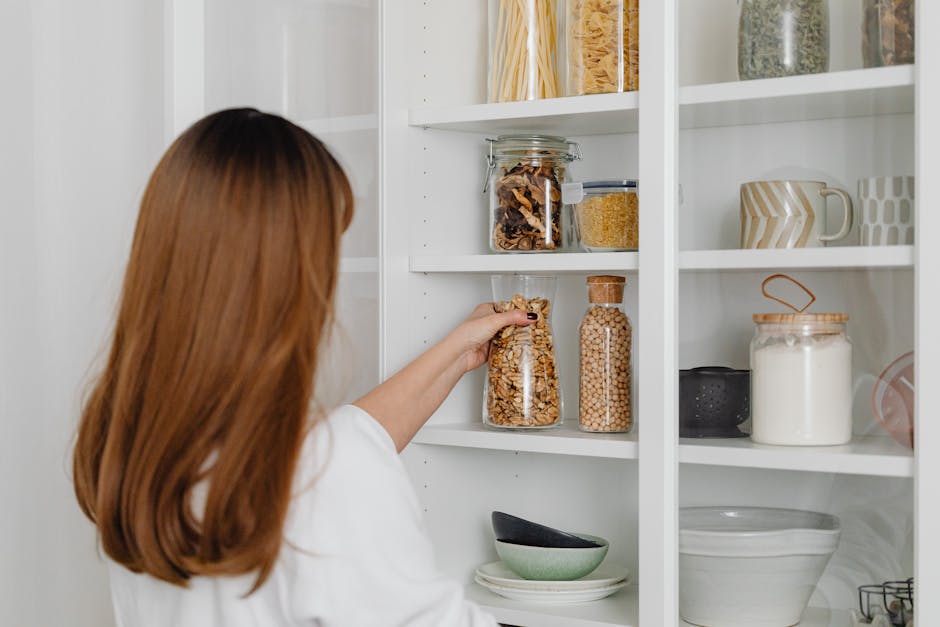
Salt free cooking doesn’t mean flavorless cooking. It just means being a little sharper with what lives on your pantry shelves. Let’s start with oils. Plain cooking oils get the job done, but infused oils do more. A splash of garlic infused olive oil or chili oil can carry heat and aroma straight into the dish no added salt, no effort. Keep a few options within reach and rotate based on what you’re cooking.
Next up: garlic and onion powders. These two are the backbone of flavor when you strip sodium out. Skip the pre mixed, salted blends those come with more sodium than you think. Use pure powders and layer them yourself. They bring the same craveable base notes without relying on salt as a crutch.
And when it comes to broth, the low sodium options aren’t just medical sounding alternatives they’re a smart default. Better yet, make your own veggie stock. Leftover carrot tops, leek greens, mushroom stems toss them in a pot and let it go. Result? Rich flavor, zero regret.
At the end of the day, the best swaps don’t taste like compromises. They just build smarter, cleaner flavor from the ground up.
Texture and Temperature: The Underrated Flavor Builders
Salt isn’t the only tool for making food satisfying. Texture and temperature are often overlooked but they pack serious flavor impact. Crisp, charred, chilled, or warm those contrasts light up your palate in ways plain seasoning can’t.
Think about adding toasted seeds or crushed nuts over a creamy soup. Or pairing cold pickled onions with a hot lentil stew. A crispy slaw next to soft roasted sweet potatoes. It’s not a gimmick your brain registers that contrast as complexity.
Even simple meals benefit. Scramble eggs, then top with microgreens and a few crushed corn chips. Heat up a veggie stir fry and finish it with a splash of cold citrus yogurt or a spoonful of sauerkraut. Big return for almost zero extra effort.
For more ways to bring texture and contrast into fast, no fuss meals, try these 10 Easy One Pot Recipes You Can Make in Under an Hour. They’re built with layers in mind and that means more flavor without leaning on salt.
Final Tips for Salt Free Mastery
Salt free cooking isn’t about guesswork it’s about paying attention. Start by tasting early and often. Flavors evolve as food cooks, so don’t wait until the end. Monitor, adjust, and fine tune throughout the process. Over time, your palate becomes sharper, and your instinct for balancing flavors stronger.
When it’s time to plate, finish intentionally. A sprinkle of chopped herbs or a bit of lemon zest can cut through rich ingredients and brighten up the dish without adding sodium. It’s the kind of tiny adjustment that delivers a big impact.
Last thing: don’t pin your entire meal’s flavor on one trick. Great dishes layer techniques an acidic splash here, a roasted base there, some crunchy garnish for contrast. When flavors play off each other, salt stops being missed.
This isn’t about doing more. It’s about doing smarter.
Keep Experimenting
In 2026, the flavor aisle is getting a serious upgrade. Global spice blends from North African ras el hanout to Filipino sinigang powder are breaking into everyday kitchens. What used to be specialty store only finds are now showing up in standard grocery chains. That’s no accident. The demand for bold, nuanced flavor without sodium is pushing producers to innovate and import.
Look out for South Indian podis, West African suya spice, and Middle Eastern za’atar blends tailored for salt conscious cooks. These mixes deliver taste layered with tradition, and they’ve been adding fire to low sodium dishes for generations. Bonus: many come pre balanced, so you don’t need a spice PhD to use them well.
Bottom line? If your seasoning routine starts and ends with black pepper, you’re missing half the map. There’s a whole universe of flavor out there and none of it depends on a salt shaker. Explore it.
 Ask Michael Dilliorez how they got into culinary techniques and guides and you'll probably get a longer answer than you expected. The short version: Michael started doing it, got genuinely hooked, and at some point realized they had accumulated enough hard-won knowledge that it would be a waste not to share it. So they started writing.
What makes Michael worth reading is that they skips the obvious stuff. Nobody needs another surface-level take on Culinary Techniques and Guides, Healthy Eating Strategies, Food Trends and Insights. What readers actually want is the nuance — the part that only becomes clear after you've made a few mistakes and figured out why. That's the territory Michael operates in. The writing is direct, occasionally blunt, and always built around what's actually true rather than what sounds good in an article. They has little patience for filler, which means they's pieces tend to be denser with real information than the average post on the same subject.
Michael doesn't write to impress anyone. They writes because they has things to say that they genuinely thinks people should hear. That motivation — basic as it sounds — produces something noticeably different from content written for clicks or word count. Readers pick up on it. The comments on Michael's work tend to reflect that.
Ask Michael Dilliorez how they got into culinary techniques and guides and you'll probably get a longer answer than you expected. The short version: Michael started doing it, got genuinely hooked, and at some point realized they had accumulated enough hard-won knowledge that it would be a waste not to share it. So they started writing.
What makes Michael worth reading is that they skips the obvious stuff. Nobody needs another surface-level take on Culinary Techniques and Guides, Healthy Eating Strategies, Food Trends and Insights. What readers actually want is the nuance — the part that only becomes clear after you've made a few mistakes and figured out why. That's the territory Michael operates in. The writing is direct, occasionally blunt, and always built around what's actually true rather than what sounds good in an article. They has little patience for filler, which means they's pieces tend to be denser with real information than the average post on the same subject.
Michael doesn't write to impress anyone. They writes because they has things to say that they genuinely thinks people should hear. That motivation — basic as it sounds — produces something noticeably different from content written for clicks or word count. Readers pick up on it. The comments on Michael's work tend to reflect that.