
The Basics of the MyPlate Framework
The USDA’s MyPlate model, refreshed for 2026, strips nutrition down to the essentials. Gone is the overcomplicated, outdated Food Pyramid. In its place: a simple plate graphic that actually mirrors how we eat no ladders, no tiers.
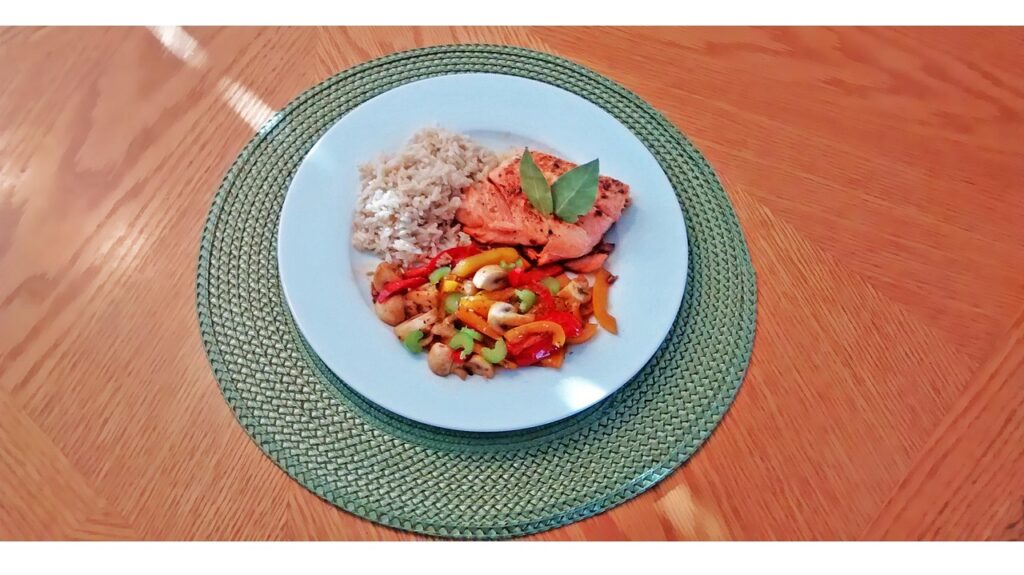
The plate is split into five key sections that cover all the bases. Half is dedicated to fruits and vegetables colorful, fiber rich staples that keep systems running smoothly. The other half is divided into grains and protein: grains being the energy source (think rice, oats, and bread), and protein pulling weight on repair and strength (like chicken, tofu, or beans). On the side, there’s dairy or a fortified alternative, anchoring the plate with calcium and vital nutrients.
It’s not flashy, but it works. MyPlate gives people a visual, no fluff guide to building smarter meals, one plate at a time.
Making Half Your Plate Fruits and Vegetables
Let’s get something straight: variety isn’t just a buzzword it’s how you make your meals work harder for you. Each color signals different nutrients. Red foods like tomatoes and strawberries offer lycopene and vitamin C. Orange and yellow? Betacarotene and antioxidants. Dark greens pack fiber, folate, iron all the stuff your body thrives on. So when they say, “eat the rainbow,” it’s not poetic it’s practical.
Now, don’t overthink the fresh vs frozen vs canned debate. Fresh is ideal when it’s local and in season more flavor, better texture, and often more nutrients. But frozen is no slouch. Flash freezing keeps the good stuff locked in, and it’s a major time saver. Canned can work too especially beans, tomatoes, and corn just look for low sodium labels and avoid anything drowning in syrup. Convenience doesn’t have to mean compromise.
Seasonal eating is about eating smarter, not just trendier. Spring brings crisp greens and asparagus. Summer explodes with berries, melons, tomatoes. Fall gives you squash, apples, and sweet potatoes. Winter? Think hearty greens, citrus, and roots. Eating with the seasons doesn’t just support local growers it keeps your meals tasting better and feeling more aligned with your body’s needs throughout the year.
Choosing the Right Grains
Swapping out refined grains for whole grains is one of the easiest, most impactful changes you can make for better nutrition. Whole grains deliver more fiber, nutrients, and long lasting energy making them a foundational part of a balanced plate.
Whole vs. Refined Grains: What’s the Real Difference?
Not all grains are created equal. The key difference lies in how much of the grain kernel remains intact during processing:
Whole grains contain all three parts of the grain: bran, germ, and endosperm. These provide fiber, B vitamins, iron, and healthy fats.
Refined grains have the bran and germ removed, leaving mostly starch and fewer nutrients.
Enriched grains try to add back some of the lost nutrients, but fiber is usually not replaced.
Bottom line: whenever possible, choose whole grains for a more nutrient dense plate.
Easy Whole Grain Swaps to Try Today
Making the switch doesn’t mean sacrificing taste or convenience. Simple substitutions can make a big difference:
Swap white rice for brown rice, wild rice, or quinoa
Choose 100% whole wheat bread over white bread
Reach for rolled oats or steel cut oats instead of sugary instant packets
Try whole wheat pasta or legume based pasta for extra fiber and protein
Start with one swap at a time until it becomes your new normal.
How to Read Grain Labels Without the Marketing Hype
Food packaging can be misleading. Just because something says “multigrain” or “made with whole grains” doesn’t mean it’s a healthy choice. Here’s how to read grain labels like a pro:
Look for ‘100% whole grain’ or ‘100% whole wheat’ as the first ingredient
Avoid products where the main grain is listed as “enriched” or “refined”
Be cautious of buzzwords like “stone ground,” “organic,” or “natural” they don’t guarantee whole grains
Check fiber content aim for at least 3 grams of fiber per serving
Reading labels gets easier over time. Soon, spotting truly whole grain choices will feel automatic.
Focusing on whole grains doesn’t just improve your nutrient intake it keeps you fuller longer and supports better digestion, energy, and even heart health.
Powering Up with Protein

Protein isn’t just for bodybuilders it’s a crucial part of every meal, no matter your age or activity level. The key is choosing the right types and keeping portions in check. MyPlate doesn’t play favorites: whether you go for lean meats like turkey or chicken, or plant based options like lentils and black beans, the goal is to get high quality protein without the added baggage of saturated fats or excess sodium.
Legumes, tofu, fish, and eggs deserve a spot in your weekly rotation. Beans and lentils pack fiber and minerals along with their protein punch. Tofu absorbs flavor like a pro and fits meals from breakfast to dinner. Fish brings in omega 3s think salmon, sardines, or even canned tuna. Eggs? Still one of the most efficient sources of protein, especially when you include the yolk.
Now about portions: you don’t need a giant slab of steak to power through the day. A serving of protein is roughly the size of your palm. That’s it. For most adults, that’s around 5 6.5 ounces per day. Spread it out, mix it up, and remember it’s about balance, not bulk.
Don’t Skip Dairy (Or Good Alternatives)
In 2026, the definition of “dairy” has split into two clear lanes: traditional animal based options and plant based alternatives that meet specific nutritional standards. Milk, yogurt, and cheese still count, but only those that provide meaningful levels of calcium, vitamin D, and protein. That means not all oat or almond milks make the cut only the fortified ones with comparable values to cow’s milk do.
The goal isn’t nostalgia it’s function. Dairy (or the right alt) remains one of the most efficient ways to boost calcium intake, which continues to be vital for bone strength, muscle recovery, and nerve function. For those who are lactose intolerant or avoiding animal products, the solution isn’t skipping the category altogether it’s choosing wisely. Look for labels with at least 30% daily calcium per serving, plus added vitamin D. Lactose free cow’s milk, calcium set tofu, fortified soy or pea milks, Greek style plant yogurts these are all solid options.
Bottom line: the name isn’t what matters. The nutrients are. If it’s got calcium, D, and protein in good doses, it earns its spot on the plate.
Don’t Forget the Healthy Fats
Why Fats Belong on Your Plate
Contrary to outdated nutrition advice, fats are not the enemy especially when you’re using the MyPlate method to build a balanced meal. Healthy fats play a key role in
Supporting brain health
Absorbing fat soluble vitamins (A, D, E, and K)
Regulating hormones
Providing long lasting satiety
Incorporating the right types of fats can actually enhance both the flavor and nutritional quality of your meals, without adding unnecessary processed ingredients.
Choosing the Right Fats
Not all dietary fats are created equal. Focus on sourcing these healthy varieties:
Omega 3 fatty acids: Found in fatty fish (salmon, sardines), flaxseeds, and walnuts
Monounsaturated fats: Present in olive oil, avocado, peanuts, and almonds
Polyunsaturated fats: Including sunflower and safflower oils, chia seeds, and soybeans
Avoid or limit:
Trans fats (often found in processed snacks)
Heavily saturated fats from fried and overly processed foods
Everyday Ways to Add Healthy Fats
Here are some simple ideas to work healthy fats into your plate:
Drizzle olive oil over roasted vegetables
Add chia seeds or flaxseed to morning oats or smoothies
Snack on a small handful of almonds or walnuts
Top salads with sliced avocado
Choose fatty fish like salmon at least twice a week
For a deeper dive, check out The Top 7 Healthy Fats You Should Add to Your Diet.
Fats are an essential part of a truly balanced plate when chosen wisely, they don’t just belong on your plate, they complete it.
Easy Tips to Balance Your Meals Every Day
Portion control doesn’t have to mean busting out measuring cups or getting tangled in calorie math. Think visual. Half your plate goes to fruits and veggies. The other half? Split between lean protein and grains. Use your hand as a quick guide: palm sized protein, fist sized grains, and don’t skimp on color from the produce side.
Meal prep isn’t about rigid plans either. It’s about having building blocks ready. Batch cook a grain that works across cuisines (think brown rice, quinoa, farro), chop a variety of raw veggies, keep a few proteins cooked or ready to go. Use the MyPlate layout as your map, not a law. A plate loaded right once becomes muscle memory next time.
And yes hydration, sauces, and snacks matter, but they’re supporting players. Water first, often. Go for sauces that add nutrients (yogurt based, hummus, avocado blends). And snacks? Hit two food groups if you can like nuts and fruit, or cheese and whole grain crackers. The big picture is balance, not perfection.
Small Plate, Big Impact
Long term wellness doesn’t come from crash diets or cutting out entire food groups. It’s built on small, steady choices like consistently putting together balanced meals that fuel your body without judgment or extremes. That’s where MyPlate makes a real difference. It’s not a set of rules it’s a visual guide. A snapshot you can check in with when you’re building a meal, whether it’s from scratch or from what’s left in the fridge.
Using MyPlate regularly helps build better habits without the mental gymnastics of counting every carb or calorie. Over time, those small tweaks more greens, better grain choices, enough protein to keep you full can lead to real results: stronger energy, sharper focus, and a healthier relationship with food.
This approach isn’t about restriction it’s about education. About knowing what’s on your plate and why it matters. That kind of knowledge gives you the power to eat well anywhere: whether you’re cooking at home, grabbing takeout, or eating with friends. MyPlate doesn’t tell you what not to eat. It shows you how to eat smarter, and live better.
 Ask Michael Dilliorez how they got into culinary techniques and guides and you'll probably get a longer answer than you expected. The short version: Michael started doing it, got genuinely hooked, and at some point realized they had accumulated enough hard-won knowledge that it would be a waste not to share it. So they started writing.
What makes Michael worth reading is that they skips the obvious stuff. Nobody needs another surface-level take on Culinary Techniques and Guides, Healthy Eating Strategies, Food Trends and Insights. What readers actually want is the nuance — the part that only becomes clear after you've made a few mistakes and figured out why. That's the territory Michael operates in. The writing is direct, occasionally blunt, and always built around what's actually true rather than what sounds good in an article. They has little patience for filler, which means they's pieces tend to be denser with real information than the average post on the same subject.
Michael doesn't write to impress anyone. They writes because they has things to say that they genuinely thinks people should hear. That motivation — basic as it sounds — produces something noticeably different from content written for clicks or word count. Readers pick up on it. The comments on Michael's work tend to reflect that.
Ask Michael Dilliorez how they got into culinary techniques and guides and you'll probably get a longer answer than you expected. The short version: Michael started doing it, got genuinely hooked, and at some point realized they had accumulated enough hard-won knowledge that it would be a waste not to share it. So they started writing.
What makes Michael worth reading is that they skips the obvious stuff. Nobody needs another surface-level take on Culinary Techniques and Guides, Healthy Eating Strategies, Food Trends and Insights. What readers actually want is the nuance — the part that only becomes clear after you've made a few mistakes and figured out why. That's the territory Michael operates in. The writing is direct, occasionally blunt, and always built around what's actually true rather than what sounds good in an article. They has little patience for filler, which means they's pieces tend to be denser with real information than the average post on the same subject.
Michael doesn't write to impress anyone. They writes because they has things to say that they genuinely thinks people should hear. That motivation — basic as it sounds — produces something noticeably different from content written for clicks or word count. Readers pick up on it. The comments on Michael's work tend to reflect that.