
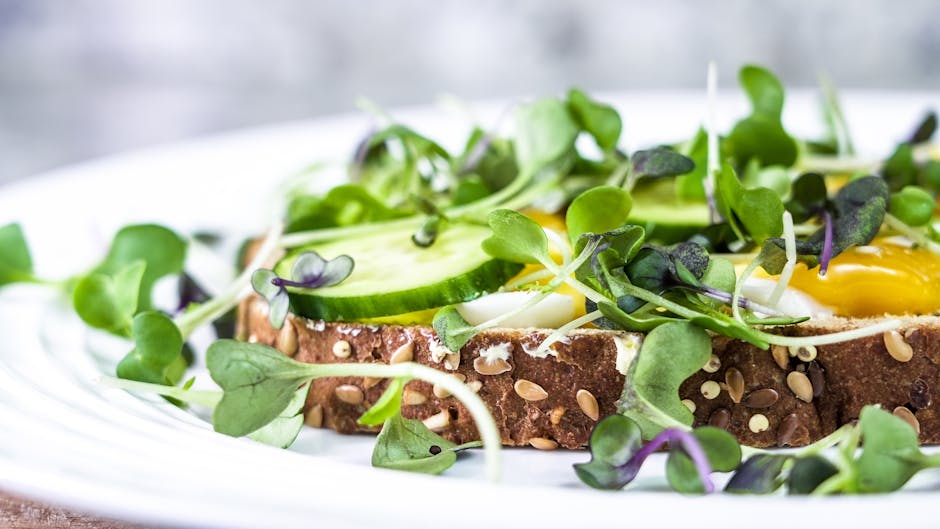
Defining Clean Eating in 2026
Clean eating in 2026 isn’t about perfection or obsessing over every calorie it’s about choosing foods that are as close to their natural state as possible. Whole, minimally processed staples like fresh produce, lean proteins, whole grains, and healthy fats are the backbone. They haven’t been stripped of nutrients or drowned in additives. Simple food, real energy.
Why the focus now? Because ingredients lists have gotten sneakier. Brands play the marketing game hard slapping terms like “natural,” “light,” or “plant based” on products loaded with hidden sugars, seed oils, or synthetic flavoring. That’s where ingredient transparency comes in. If you can’t pronounce it, ask why it’s there. If an oat bar has 24 ingredients, most of which sound like a lab sheet, maybe pass.
Understanding food labels is a survival skill these days. Look at the order of ingredients what’s listed first makes up the bulk of the product. Watch out for sugar’s many aliases (maltodextrin, dextrose, syrup anything). Don’t let a buzzy front label distract from a bloated ingredient list on the back. Clean eating means staying sharp and informed, not just going with what looks trendy on the shelf.
The Game Plan: How to Prep Smart (Not Hard)
Meal prepping doesn’t have to be overwhelming. With a little structure and the right tools, you can set yourself up for a week of clean eating without spending hours in the kitchen each day.
Step 1: Block Time on Your Calendar
Aim for 2 3 hours once a week
Ideal days: Sunday or a day that feels the least chaotic
Treat it like an appointment consistency makes prep easier over time
Step 2: Start with a Balanced Plan
Before you cook, plan your meals around clean staples:
Proteins: chicken, turkey, tofu, fish, eggs
Vegetables: leafy greens, squash, peppers, broccoli
Smart carbs: sweet potatoes, quinoa, brown rice, lentils
Organize meals that rotate key ingredients to keep things interesting but efficient.
Step 3: Choose Your Prep Style
There are two main prep strategies pick what fits your lifestyle:
Batch Cooking
Make full meals ahead of time to portion and store
Great for busy weeks with limited cooking windows
Assemble As You Go
Cook components (proteins, grains, vegetables) and mix them into different meals throughout the week
Offers more variety with less commitment each day
Step 4: Master the Art of Storage
What you store your meals in and how matters just as much as what you cook:
Use glass containers to keep flavors fresh and avoid plastic leaching
Let food cool before sealing to prevent excess condensation
Eat more delicate meals (salads, things with avocado or yogurt) in the first 2 3 days
Store heartier dishes (stews, grain bowls) for later in the week they hold up better
Step 5: Use Tools That Save Time
Investing in the right gear can cut your prep time dramatically:
Instant Pots: for fast, hands off cooking of grains, beans, or meats
Air Fryers: perfect for crispy veggies or lean proteins with minimal oil
Sharp knives and cutting boards: streamline the chopping process
Glass containers with compartments: great for portion control and freshness
The goal isn’t perfection it’s consistency. Once you find a rhythm, meal prep becomes simple, repeatable, and genuinely satisfying.
Sample 7 Day Prep Workflow
This plan keeps things tight, clean, and low fuss. Each pair of days is anchored to one protein, one smart carb, and a couple of vegetables that hold up in the fridge or reheat well. There’s enough variety to avoid burnout, and enough consistency to support meal prep without second guessing yourself every time you open the fridge.
Day 1 2: Grilled chicken, quinoa, and roasted vegetables (think bell peppers, zucchini, and red onion). Grill once, portion out, done. Quinoa holds texture, and roasted veg tastes great cold or hot.
Day 3 4: Turkey meatballs, brown rice, and sautéed greens. Make the meatballs in bulk and reheat as needed. Cook rice in a rice cooker or pot, and flash sauté kale or spinach with garlic right before serving if time allows.
Day 5 6: Baked salmon, sweet potatoes, and steamed broccoli. Roast everything on a couple of sheet pans, season simply salt, pepper, olive oil. This combo holds flavor and macros strong.
Day 7: Clean out the fridge day. Mix and match leftovers into power bowls or wraps. Add a sauce tahini, hummus, sriracha to pull it together. Keeps the routine flexible and cuts waste.
This isn’t fine dining. It’s clean fuel, ready when you need it.
Portion Control Done Right

Clean eating isn’t just about what’s on your plate but how much. Undereating can leave you dragging by mid afternoon. Overfueling might feel productive, but it’s usually a shortcut to sluggish workouts and stalled results. The sweet spot comes down to knowing your body’s needs and responding with balanced portions.
A simple way to keep portions in check? Use your hand. It’s personal, portable, and surprisingly accurate. A palm sized portion of protein (like chicken or tofu), one cupped hand of carbs (think brown rice or quinoa), and a thumb sized serving of healthy fats (like nut butter or olive oil) form a solid foundation. Veggies? Go generous two fists or more.
This isn’t about micromanaging every bite. It’s about building awareness, eating in tune with your energy needs, and skipping guesswork during busy weeks.
Check out this Understanding Portion Sizes: A Visual Guide for a deeper look at how to portion smart and stay on track, no scale required.
Clean Staples Worth Keeping Around
If your kitchen’s stocked right, clean eating stops being a chore and starts being second nature. You want staples that pull their weight items that can flex into different meals, don’t spoil too fast, and actually taste good.
First, the pantry. Lentils give you easy fiber and protein great in soups, bowls, or tossed cold with greens. Oats work for breakfast or baking and brown rice is the blank canvas for just about anything. Olive oil? Skip the hype just go extra virgin, in glass if you can. And don’t underrate spices. Cumin, paprika, turmeric, chili flakes. A few strong picks turn meal prep repeat meals into something people think you ordered out.
Next, the fridge. Keep a rotation of greens (think spinach or mixed salad base), eggs for fast scramble meals or boil ahead snacks, and a tub of hummus for dipping or spreading. Greek yogurt punches in as breakfast, snack, or a cooling base for sauces.
In the freezer zone, think backups and boosters. Frozen berries are perfect for smoothies or cooked down into a compote. Edamame comes in handy when you need protein without doing much. And lean proteins chicken breasts, turkey patties, even tofu should be pre portioned and ready to thaw. Less decision making, more doing.
With these in place, you’ll spend less time wondering what to eat and more time just eating well.
Sustainability Meets Nutrition
Clean eating isn’t just about what’s on your plate it’s also about how your food choices impact the environment. With a bit of planning, meal prep can reduce your carbon footprint while keeping your nutrition goals intact. Here’s how you can create a more sustainable kitchen routine without sacrificing convenience or flavor.
Cut Down on Food Waste
Food waste usually happens when ingredients spoil or extras go uneaten. Strategic prep can solve both issues:
Plan real portions: Prep what you can realistically eat within 5 7 days.
Use ingredient crossovers: Choose components like roasted vegetables or quinoa that can be reused in multiple meals.
Label containers: Include prep dates, especially for cooked proteins and grains.
Freeze extras: If you cook more than needed, portion and freeze to avoid tossing spoiled food later.
Shop Smart with Bulk Ingredients
Buying in bulk can benefit both your wallet and the environment if you’re intentional:
Prioritize staples like oats, brown rice, lentils, and dried beans. These have long shelf lives and lots of versatility.
Limit plastic waste by shopping at stores that offer bulk goods in bring your own reusable containers.
Use transparent storage to see everything you have, preventing double buying or forgetting what’s in the back of the pantry.
Try Composting at Home
Even the most efficient chefs have scraps stems, peels, eggshells. Composting turns these into powerful garden soil rather than landfill waste:
Start small: A kitchen bin or counter compost pail helps you gather organic waste efficiently.
Know what works: Fruit and veggie scraps, coffee grounds, eggshells, even paper towels (unscented) are all compostable.
Find a local option: If you don’t garden, look into a city wide composting program or local drop off center.
By aligning your clean eating habits with simple sustainability strategies, you’ll not only nourish your body you’ll be helping the planet thrive as well.
Making It Work Long Term
Meal prepping isn’t just about saving time it’s about building a rhythm that doesn’t wear you down. Taste fatigue is real, and it creeps in faster than you think when you’re eating the same grilled chicken every other night. The fix? Cycle in new meal combos every week or two. Keep your core components simple, but rotate the extras: a different sauce, a switch in seasoning, or a new veggie mix can reset your palate without burning you out.
Protein rotation is another overlooked win. Swap salmon for tofu. Trade in turkey for chickpeas. Explore griddled halloumi, Korean bulgogi, or even lentil packed patties. Drawing from different global flavor profiles think Mediterranean one week, Thai inspired the next not only helps with excitement, it brings a broader range of nutrients.
Last tip: tune into your body. Your macro needs shift depending on your mood, workouts, and goals. If you’re dragging during training, maybe you’re undercarbing. If you’re not recovering well, you might need more protein or healthy fats. Prepping with flexibility in mind lets your meals serve you not the other way around.
 Ask Cynthia Kingerstin how they got into delicious recipes and cooking tips and you'll probably get a longer answer than you expected. The short version: Cynthia started doing it, got genuinely hooked, and at some point realized they had accumulated enough hard-won knowledge that it would be a waste not to share it. So they started writing.
What makes Cynthia worth reading is that they skips the obvious stuff. Nobody needs another surface-level take on Delicious Recipes and Cooking Tips, Meal Planning and Preparation, Food Trends and Insights. What readers actually want is the nuance — the part that only becomes clear after you've made a few mistakes and figured out why. That's the territory Cynthia operates in. The writing is direct, occasionally blunt, and always built around what's actually true rather than what sounds good in an article. They has little patience for filler, which means they's pieces tend to be denser with real information than the average post on the same subject.
Cynthia doesn't write to impress anyone. They writes because they has things to say that they genuinely thinks people should hear. That motivation — basic as it sounds — produces something noticeably different from content written for clicks or word count. Readers pick up on it. The comments on Cynthia's work tend to reflect that.
Ask Cynthia Kingerstin how they got into delicious recipes and cooking tips and you'll probably get a longer answer than you expected. The short version: Cynthia started doing it, got genuinely hooked, and at some point realized they had accumulated enough hard-won knowledge that it would be a waste not to share it. So they started writing.
What makes Cynthia worth reading is that they skips the obvious stuff. Nobody needs another surface-level take on Delicious Recipes and Cooking Tips, Meal Planning and Preparation, Food Trends and Insights. What readers actually want is the nuance — the part that only becomes clear after you've made a few mistakes and figured out why. That's the territory Cynthia operates in. The writing is direct, occasionally blunt, and always built around what's actually true rather than what sounds good in an article. They has little patience for filler, which means they's pieces tend to be denser with real information than the average post on the same subject.
Cynthia doesn't write to impress anyone. They writes because they has things to say that they genuinely thinks people should hear. That motivation — basic as it sounds — produces something noticeably different from content written for clicks or word count. Readers pick up on it. The comments on Cynthia's work tend to reflect that.