

Plant Based 3.0
Plant based eating has officially crossed over what used to be a lifestyle choice for a few is now a default for many. Whether it’s flexitarians cutting back on meat or entire families rethinking protein altogether, this isn’t niche anymore. It’s baseline.
But there’s a clear shift in the kind of plant based people actually want. The era of mystery patties and beyond this or that is thinning out. Consumers are getting pickier, opting for whole food plant options instead of ultra processed stand ins. Lentil stew is beating lab made bacon. Chickpea wraps over frozen soy bricks.
What’s powering this next wave are ingredients with function and intrigue. Think mycelium (edible fungi with a meaty bite), lupin (a high protein legume with minimal allergens), and duckweed (tiny, nutrient packed water plants). They’re clean, scalable, and showing up in everything from alt milks to jerky.
On top of that, functional benefits are finally getting the spotlight. People want food that supports gut health, boosts energy, and helps them age well. It’s not enough to be plant based it has to do something.
For a deeper look into what’s fueling the mainstream momentum, check out Why Plant Based Eating Is Gaining Popularity Worldwide.
Climate Conscious Eating
In 2026, climate conscious eating isn’t a fringe idea it’s the new normal. Menus in major cities now come with carbon labels by default. Diners expect to know the environmental footprint of what they’re ordering, and restaurants are adapting fast. It’s not about guilt; it’s about staying informed. Transparency is currency now.
Grocery shelves in urban hubs are shifting too. Shoppers are bypassing long traveled organics in favor of hyper local and regeneratively grown produce. More people are asking where and how their food was made, and they’re voting with their forks.
Then there’s the rise of upcycled food. Think snacks made from surplus bread, old bananas, fruit peels ingredients once tossed, now reimagined. What used to be waste is showing up in trendy granola bars and alt flours. Brands that lead here are scoring sustainability points with younger buyers.
Dining out? Expect to see edible spoons, compostable cups, and restaurants with near zero waste systems. For Gen Z and beyond, low impact dining isn’t bonus it’s baseline. If your food business isn’t thinking circular, you’re already behind.
Cultural Culinary Mashups
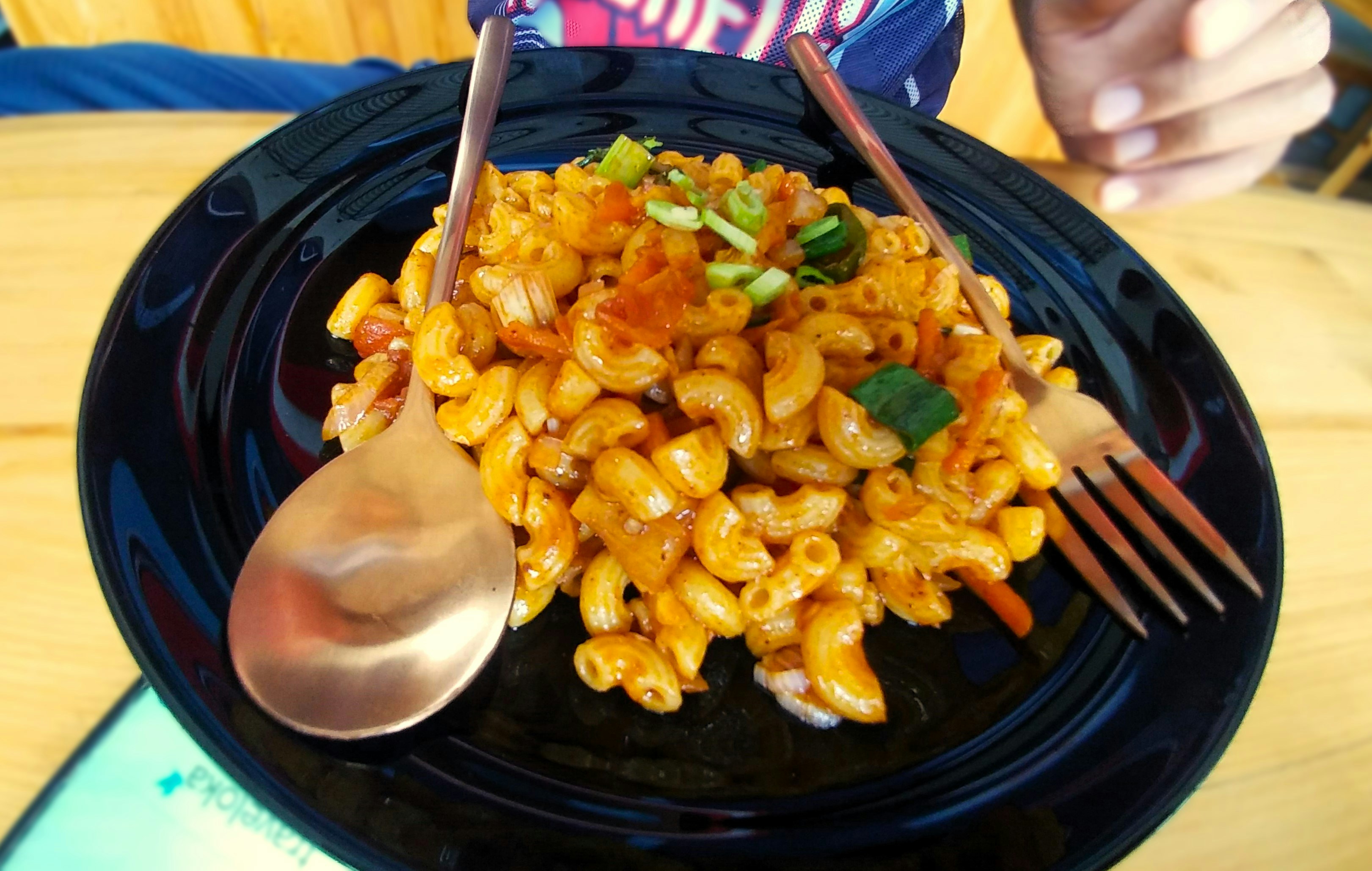
Boundaries in cuisine are getting blurrier and better. Cross regional mashups are moving from fringe food trucks to center stage in mainstream dining. Think Korean Mexican tacos with kimchi salsa, Indian Caribbean curry patties layered with scotch bonnet heat, or Nordic Japanese plates folding in seaweed with smoked root vegetables. The rules are breaking, and flavor is the only guide.
Much of this innovation isn’t coming from commercial kitchens it’s thriving on social media feeds where home cooks and food influencers are remixing tradition. They’re digging into heritage recipes, modernizing them with global ingredients, and sharing the process in tight, story driven vlogs. It’s less about textbook authenticity, more about personal expression through food and culture.
Ferments, spice blends, and neglected grains are central to this experimentation. Gen Z, in particular, is all in on pushing the flavor envelope. Miso oatmeal. Sorghum flatbreads. Harissa scrambled eggs. It’s not just about bold taste it’s about reclaiming food knowledge, reducing waste, and making home cooking both radical and approachable. These creators aren’t just making meals; they’re creating cultural dialogue on a plate.
AI Enhanced Personal Nutrition
Personal nutrition just got personal and fast. Wearable tech isn’t just counting steps or tracking sleep anymore. It’s helping people decide what to eat, when to eat it, and even how their body reacts after eating. Real time biomarkers like blood glucose, hydration levels, and heart rate variability are now feeding into apps that suggest meals tailored to your current state. You’re not just eating healthy; you’re eating based on how your body feels at that exact moment.
Next in line: algorithmic meal kits and dynamic grocery lists. Based on your goals and biometric data, a smart assistant can auto build your shopping haul or recommend recipes for optimal energy, digestion, or fat burn. Food is becoming less one size fits all and more like custom code for your biology.
On the restaurant side, AI is playing head chef. Some kitchens are using machine learning to develop menu items engineered for both flavor and nutrition. Think flavor pairings fine tuned by data sets from thousands of palettes, or dishes balanced to optimize satiety and gut health.
It’s not about removing the human element it’s about leveling it up. The fork meets the algorithm, and you still get to choose the flavor.
Premiumized Everyday Foods
Gone are the days when everyday pantry items were simply functional. In 2026, everyday staples are experiencing a gourmet makeover, giving rise to products that are both elevated and accessible.
Everyday Staples, Upscaled
Simple foods like bread, butter, and condiments are being reimagined through artisanal processes and upscale ingredients. Think heirloom grains in sourdough loaves or hand churned butter infused with Himalayan salt and herbs.
Sourdough made with single origin flours
Cultured butters with garlic confit or truffle oil
Small batch ketchup, mayo, and hot sauces using premium ingredients
The Artisan Convenience Blend
Time strapped consumers aren’t sacrificing quality they’re demanding both craftsmanship and convenience. As a result, fast moving packaged items are adopting boutique quality standards.
Fermented hot sauces that balance probiotics with bold heat
Mushroom infused coffee pods combining wellness and flavor
Single serve gourmet soups and noodles with layered spice profiles
Flavor Innovation in the Frozen Aisle
Frozen meals and shelf stable products are no longer considered second rate. Instead, they’re a blank canvas for culinary creativity that mirrors restaurant style flavor.
Globally inspired frozen entrees with chef tested recipes
High protein ice creams with flavors like miso caramel or hibiscus cacao
Vacuum sealed pastas, sauces, and toppings that retain texture and taste
Premiumized everyday foods reflect a deeper trend: the elevation of the ordinary. In 2026, it’s not just about what you eat it’s about the experience, the ingredients, and the intention behind them.
What This Means for the Food Space
If you’re in the food game brand, creator, or somewhere in between baseline expectations have shifted. Transparency on sourcing, sustainability in supply chains, and thoughtful tech integration are no longer bonus points they’re the price of entry.
Consumers aren’t just asking, “Is this tasty?” They’re asking, “Where did it come from? Why was it made like this? Does it align with my values?” And they’re not shy about dropping products or creators that don’t stack up.
The real winners in 2026 won’t be the ones chasing shiny new gimmicks. They’ll be the ones refining what already works cutting the waste, boosting the quality, and owning their purpose. In a world full of “new,” doing better matters more than doing different.
 Ask Cynthia Kingerstin how they got into delicious recipes and cooking tips and you'll probably get a longer answer than you expected. The short version: Cynthia started doing it, got genuinely hooked, and at some point realized they had accumulated enough hard-won knowledge that it would be a waste not to share it. So they started writing.
What makes Cynthia worth reading is that they skips the obvious stuff. Nobody needs another surface-level take on Delicious Recipes and Cooking Tips, Meal Planning and Preparation, Food Trends and Insights. What readers actually want is the nuance — the part that only becomes clear after you've made a few mistakes and figured out why. That's the territory Cynthia operates in. The writing is direct, occasionally blunt, and always built around what's actually true rather than what sounds good in an article. They has little patience for filler, which means they's pieces tend to be denser with real information than the average post on the same subject.
Cynthia doesn't write to impress anyone. They writes because they has things to say that they genuinely thinks people should hear. That motivation — basic as it sounds — produces something noticeably different from content written for clicks or word count. Readers pick up on it. The comments on Cynthia's work tend to reflect that.
Ask Cynthia Kingerstin how they got into delicious recipes and cooking tips and you'll probably get a longer answer than you expected. The short version: Cynthia started doing it, got genuinely hooked, and at some point realized they had accumulated enough hard-won knowledge that it would be a waste not to share it. So they started writing.
What makes Cynthia worth reading is that they skips the obvious stuff. Nobody needs another surface-level take on Delicious Recipes and Cooking Tips, Meal Planning and Preparation, Food Trends and Insights. What readers actually want is the nuance — the part that only becomes clear after you've made a few mistakes and figured out why. That's the territory Cynthia operates in. The writing is direct, occasionally blunt, and always built around what's actually true rather than what sounds good in an article. They has little patience for filler, which means they's pieces tend to be denser with real information than the average post on the same subject.
Cynthia doesn't write to impress anyone. They writes because they has things to say that they genuinely thinks people should hear. That motivation — basic as it sounds — produces something noticeably different from content written for clicks or word count. Readers pick up on it. The comments on Cynthia's work tend to reflect that.