

A Rapid Global Shift in Eating Habits
In 2026, plant based eating is no longer a fringe movement. It’s not just the vegans and the wellness crowd this shift is mainstream, visible in cafeterias, corner stores, and family kitchens around the globe. Demand has exploded in North America, surged across Europe, and rapidly picked up pace in Asia and Latin America. Whether it’s tofu in Tokyo or oat lattes in Mexico City, the plant based wave looks different everywhere but it’s rising everywhere.
Supermarkets are clearing shelf space for meatless meats, vegan pantry staples, and dairy free options. The same goes for restaurants, from fast food chains all the way to fine dining. Menu updates offer more than a token salad they feature seared mushroom steaks, spicy lentil bowls, and desserts that ditch the eggs without sacrificing texture. This isn’t a marketing gimmick. Businesses are adapting because the appetite for plant based food is too big to ignore.
The shift is steady, global, and rooted in more than personal preference. It’s about availability, values, and real demand. And it’s forcing the food industry to evolve or get left behind.
Health: The Driving Force Behind the Shift
The science is steady and the results speak for themselves. People eating mostly plants are seeing real wins in their health stats lower risks of heart disease, type 2 diabetes, and some cancers. And it’s not just about cutting meat. It’s about what they’re adding: high fiber foods, whole grains, and colorful plant compounds that support the gut and immune system.
A fiber rich diet feeds the microbiome, which plays a big role in everything from digestion to inflammation control. Phytochemicals those natural compounds found in fruits, veggies, nuts, and legumes have been shown to reduce oxidative stress and help the body fight off chronic disease.
Medical pros are taking notice. You’ll now find plant forward meal plans baked into many official dietary guidelines. More doctors recommend shifting toward plants not for the hype, but because clinical outcomes are stacking up behind it.
Want to take it a step further? Fermented foods are earning a spotlight too. They pair well with plant based meals and boost gut health even more. Check out The Rise of Fermented Foods: Health Benefits and Recipes to learn why it’s not just about what you eat but how your body responds.
Sustainability and Climate Awareness
You can’t talk about plant based eating without talking about the environment. Large scale animal agriculture is one of the biggest emitters of greenhouse gases globally more than all the world’s planes, trains, and cars combined. Cows, in particular, are methane machines. Beyond emissions, livestock eats up a staggering amount of land and fresh water, much of it diverted from crops that could feed people directly.
By contrast, plant based systems are lean. They use fewer resources, put less strain on ecosystems, and allow for more efficient food production. Growing lentils or peas for direct human consumption is a cleaner, simpler pipeline than growing feed for livestock that eventually becomes food.
That matters to younger generations. For Gen Z and even younger Millennials, climate change isn’t a theory it’s their daily reality. Ethical concerns around factory farming and environmental collapse aren’t niche ideas anymore. They’re fueling permanent shifts in food choices, and meat is taking a back seat. What used to be personal preference looks more like a cultural recalibration.
Innovation in Food Tech and Flavor
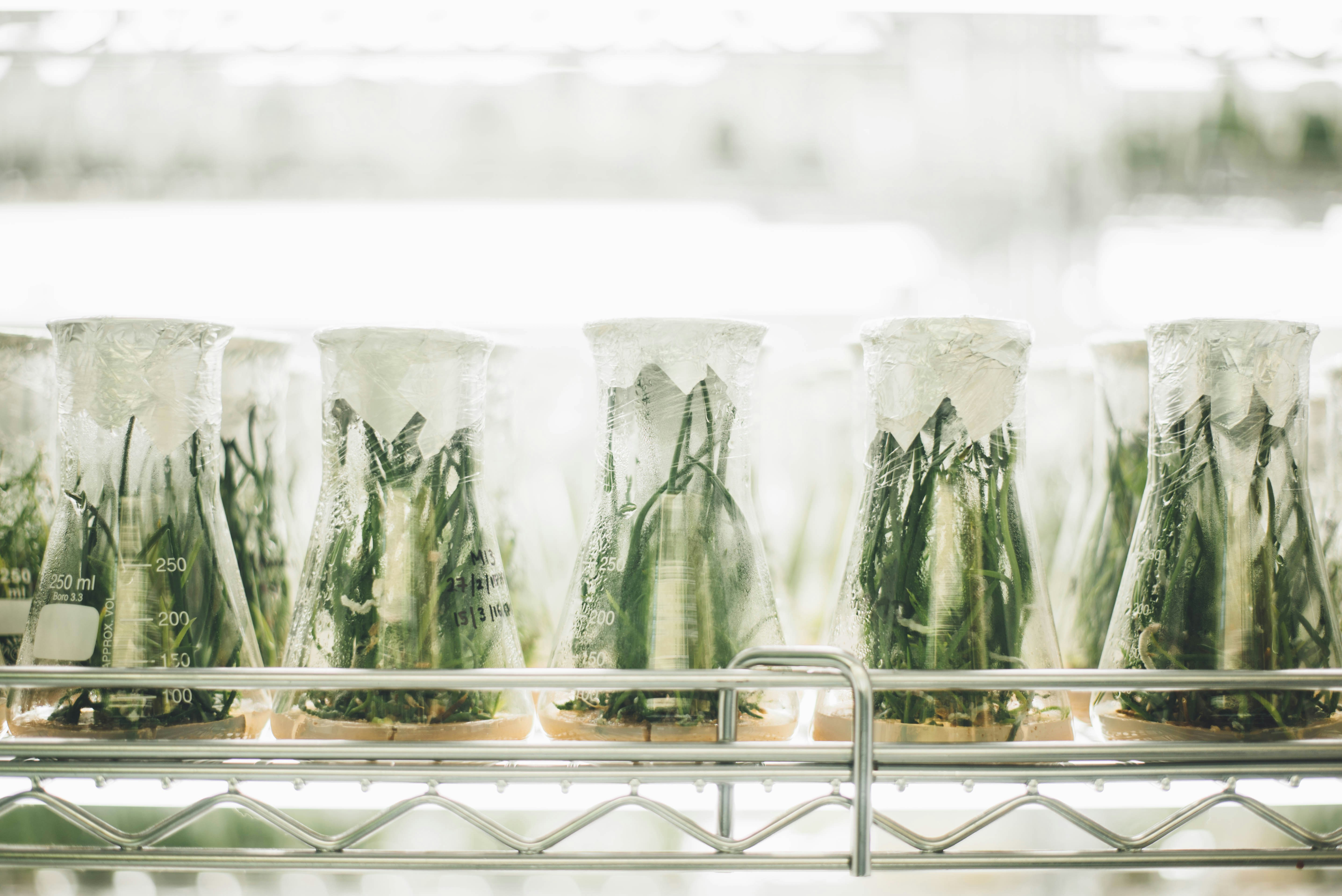
What used to be niche is now center aisle. Supermarkets are stocked with plant based products that go head to head with meat in both flavor and form. From sizzling vegan burgers to pea protein sausages that sear like the real thing, the shift is clear: plant based doesn’t mean sacrifice anymore.
Startups are leading much of the charge. Lab grown, or cultured, meats are moving from science experiment to slow commercial rollout, and companies are rethinking more than just meat eggs, dairy, and even seafood have plant powered counterparts showing up in carts and kitchens around the world. Almond, oat, and cashew milks opened the door; now, cultured mozzarella and plant based ice cream are closing it behind them.
But it’s not all tech. Global cuisines have been championing plant versatility for centuries think Vietnamese pho with tofu, Indian lentil curry, or Mexican jackfruit tacos. These traditions are now blending with innovation, expanding what plant based cooking can look and taste like in everyday life. It’s not just a movement it’s a menu.
Social Influence and Cultural Momentum
The rise of plant based eating isn’t just about the food it’s about who’s talking about it. Top tier influencers, elite athletes, and respected medical professionals are lending visibility and legitimacy to the movement. When a pro footballer credits his stamina to a plant first diet or when a cardiologist drops a TikTok explaining how legumes lower cholesterol, people listen. The credibility gap that once plagued veganism is closing fast.
Then come the cultural drivers. Documentaries like “The Game Changers” and books like “How Not to Die” didn’t just spark debates they built momentum. They gave audiences data and narratives that hit harder than a stats sheet. Visibility matters, and long form storytelling is playing its part.
Now, the movement’s woven into everyday spaces. Plant based challenges like Veganuary are more than trending hashtags they’re showing up in the workplace, in schools, and on corporate wellness calendars. Group efforts foster shared accountability and turn private commitments into public culture. That’s how trends turn into habits and habits into real change.
Accessibility and Affordability
One of the biggest shifts fueling plant based adoption is simple: it’s getting cheaper. A few years ago, oat milk cost nearly triple the price of dairy. Now it’s inching closer to parity, and the same goes for tofu, beans, lentils, and other staples. The affordability barrier is cracking fast, which means plant based isn’t just for well off wellness influencers anymore.
In both cities and rural communities, access to fresh, whole plant foods is improving. Farmers’ markets are showing up where you’d least expect. Retailers are giving shelf space to legumes and leafy greens instead of just snack bars. And food banks are offering more plant forward options thanks to local farming co ops and non profit partnerships.
Governments are catching up, too. Some are offering subsidies for sustainable crop production. Others are including plant based meals in school lunch programs or launching dietary campaigns with a focus on legumes over livestock. The result? A slow but steady shift toward systems that support better access, better health, and a better shot at long term climate resilience.
What This Means for the Future
The plant based movement isn’t slowing down it’s maturing. Expect stronger market growth in the next few years, with plant based products going from “specialty items” in niche aisles to standard fare in mainstream grocery carts. The economic signal is clear: demand is steady, and supply is scaling with it.
Governments are catching on too. Policy support is shifting toward sustainable agriculture, whether by subsidizing legume crops or pushing plant based options in public schools and institutions. This isn’t a wellness fad; it’s a structural pivot in how societies eat.
Let’s be clear: this isn’t about cutting things out. It’s about adding better options in. More fiber, more micronutrients, more diverse global flavors and less environmental drag. The future of plant based eating isn’t about rules. It’s about choosing smarter, fuller plates that reflect a connected, conscious world.
 Ask Cynthia Kingerstin how they got into delicious recipes and cooking tips and you'll probably get a longer answer than you expected. The short version: Cynthia started doing it, got genuinely hooked, and at some point realized they had accumulated enough hard-won knowledge that it would be a waste not to share it. So they started writing.
What makes Cynthia worth reading is that they skips the obvious stuff. Nobody needs another surface-level take on Delicious Recipes and Cooking Tips, Meal Planning and Preparation, Food Trends and Insights. What readers actually want is the nuance — the part that only becomes clear after you've made a few mistakes and figured out why. That's the territory Cynthia operates in. The writing is direct, occasionally blunt, and always built around what's actually true rather than what sounds good in an article. They has little patience for filler, which means they's pieces tend to be denser with real information than the average post on the same subject.
Cynthia doesn't write to impress anyone. They writes because they has things to say that they genuinely thinks people should hear. That motivation — basic as it sounds — produces something noticeably different from content written for clicks or word count. Readers pick up on it. The comments on Cynthia's work tend to reflect that.
Ask Cynthia Kingerstin how they got into delicious recipes and cooking tips and you'll probably get a longer answer than you expected. The short version: Cynthia started doing it, got genuinely hooked, and at some point realized they had accumulated enough hard-won knowledge that it would be a waste not to share it. So they started writing.
What makes Cynthia worth reading is that they skips the obvious stuff. Nobody needs another surface-level take on Delicious Recipes and Cooking Tips, Meal Planning and Preparation, Food Trends and Insights. What readers actually want is the nuance — the part that only becomes clear after you've made a few mistakes and figured out why. That's the territory Cynthia operates in. The writing is direct, occasionally blunt, and always built around what's actually true rather than what sounds good in an article. They has little patience for filler, which means they's pieces tend to be denser with real information than the average post on the same subject.
Cynthia doesn't write to impress anyone. They writes because they has things to say that they genuinely thinks people should hear. That motivation — basic as it sounds — produces something noticeably different from content written for clicks or word count. Readers pick up on it. The comments on Cynthia's work tend to reflect that.