
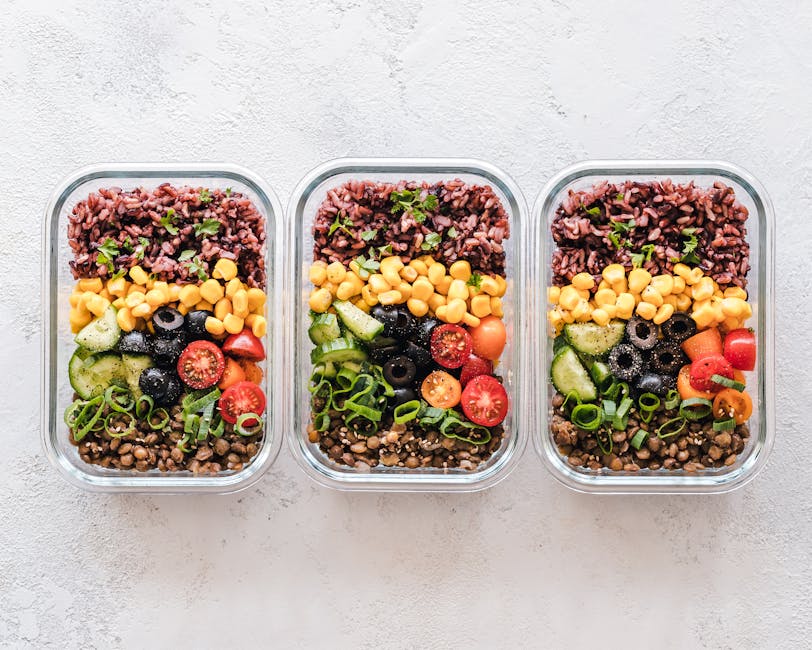
What Sustainable Eating Really Means in 2026
Sustainable eating has moved past trend status. It’s now a mindset a real shift in how we think about food. Instead of focusing solely on calories, carbs, or protein counts, more people are asking: Where did this come from? How was it made? What kind of future does it support?
At its core, sustainable eating is about long term thinking. About health, yes, but also about the environment and ethics. Choosing foods that are low impact on the planet, kind to animals, and better for our bodies. It’s swapping mass produced meat for lentils, choosing local over shipped, and understanding that what’s good for the earth tends to be good for us, too.
Ten years ago, the average plate was all about quantity. Today, it’s about consequence. That might mean opting for a plant forward bowl over a burger, not out of guilt, but out of awareness. A cleaner conscience and a full stomach aren’t mutually exclusive anymore they’re connected.
In 2026, it’s not just about what you eat. It’s why you eat it. That shift is changing everything.
Key Drivers Behind the Shift
People want to know where their food comes from and they’re not settling for vague answers. Labels like “organic” or “natural” aren’t cutting it anymore unless they’re backed by real, trackable transparency. This push has forced brands to peel back the curtain. QR codes on packaging, sourcing maps online, even farm to fork video tours consumers are watching, asking, and making choices based on the ethics and origins behind their groceries.
At the same time, bigger threats are tightening the food chain. Climate change is leading to yield unpredictability; extreme weather, droughts, and shifting seasons all make food production less stable. That spills over into food security: localized shortages and disrupted distribution are more common. Layer in growing global populations and resource scarcity topsoil loss, water constraints, carbon heavy production and the problem compounds.
The economic part hits everyone. Meat and dairy prices continue to climb due to rising feed costs, emissions regulations, and transport challenges. The same goes for imported produce. Shipping delays, fuel prices, and geopolitics turn your morning avocado toast into a miniature case study in global supply stress.
Faced with all this, even the biggest food companies are adapting. Not out of moral awakening, but necessity. They’re investing in shorter supply chains, climate resilient ingredients, and sustainability pledges with actual teeth. Why? Because consumers are voting with their dollars and the companies that don’t evolve risk getting left behind.
Plant Based Gains Ground
No Longer Just a Trend
Plant based eating has moved far beyond niche interest. In 2026, it’s a dietary default for millions not only for ethical or environmental reasons, but also due to greater access, better taste, and broader cultural integration.
Plant based options are now standard in grocery aisles, restaurants, and even fast food chains
Influencers, chefs, and health professionals are driving mainstream awareness
Plant based diets are no longer seen as restrictive, but as rich and diverse
A New Generation of Proteins
Sustainable protein sources have evolved, offering intelligent alternatives that satisfy nutritional needs and reduce ecological impact.
Legumes such as lentils, chickpeas, and black beans remain foundational
Mushrooms are celebrated for their umami flavor and low impact farming
Seaweed is gaining traction as a fast growing, nutrient rich crop
Lab grown meats are breaking into the market with convincing textures and flavors, attracting curious omnivores
These options allow consumers to diversify protein sources while reducing their carbon and water footprints.
The Rise of Flexitarianism
Rather than adopting rigid dietary identities, more people are embracing flexibility. The flexitarian approach primarily plant based with occasional animal products is helping bridge ethical, environmental, and cultural gaps.
Encourages more inclusive conversations around sustainable eating
Reduces pressure to be “perfect” in food choices
Appeals to a broad audience, including those looking to lower their meat intake without going fully vegetarian or vegan
Flexitarianism reflects a key principle of the sustainability movement: progress over perfection.
Local, Seasonal, and Low Impact Foods
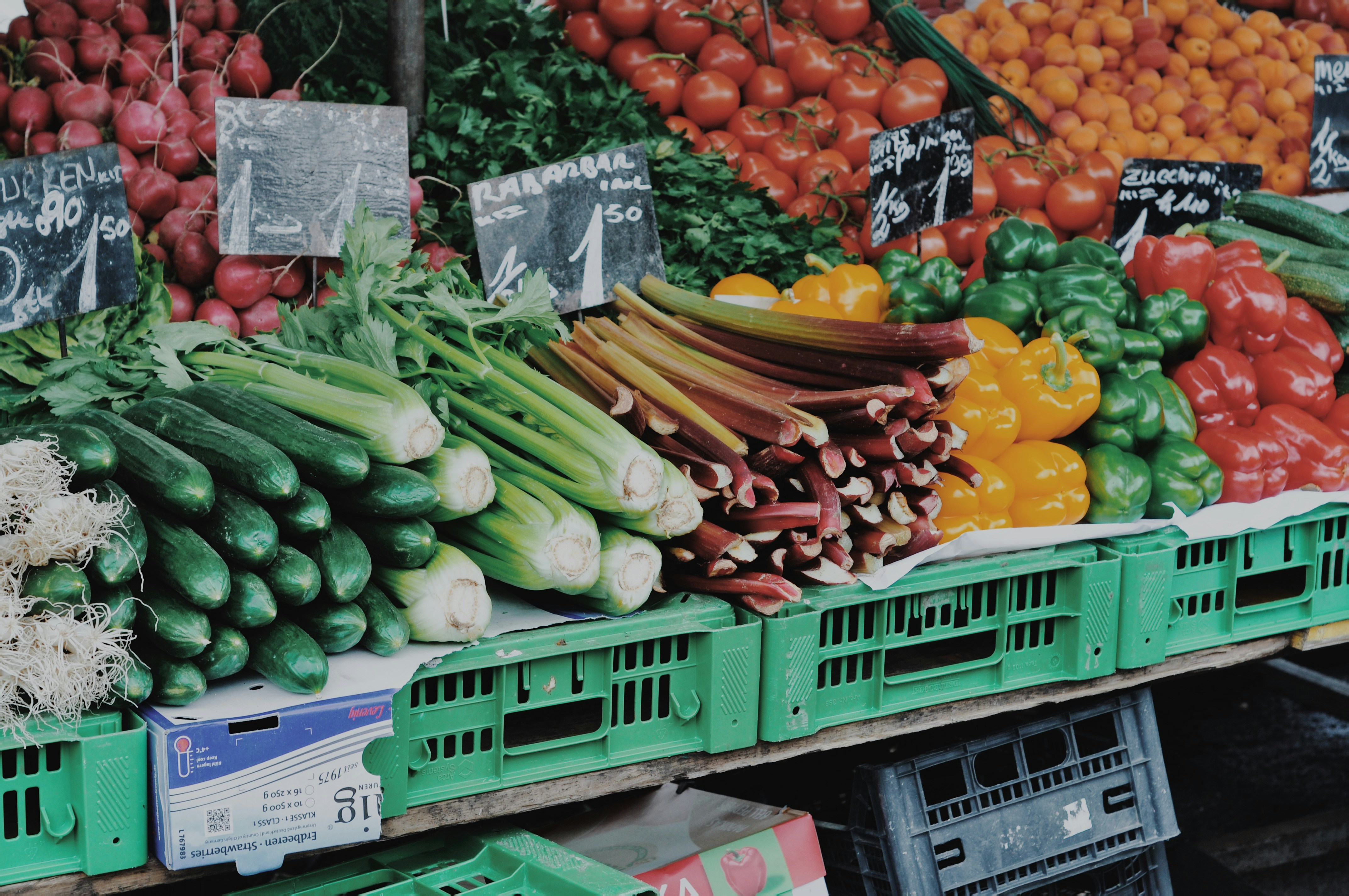
The weekly trip to the supermarket is getting a rethink. More people are turning back to a simpler model: eating what’s in season, grown nearby, and raised or farmed with care. It’s why we’re seeing a quiet surge in farmer’s markets, co ops, and CSA boxes places where shoppers reconnect with where their food comes from and who grows it.
Cutting food miles is more than feel good sentiment. Transporting produce across the globe burns fuel and loads up emissions. Local sourcing trims that down fast. Better yet, seasonal eating means fewer resources are needed to grow and store foods out of sync with the environment. A tomato that ripens in your zip code didn’t need a refrigerated truck or an intercontinental flight.
And then there’s the soil. Regenerative agriculture a system that helps rebuild the land, rather than drain it is having a moment. It goes beyond “organic.” Farms using cover crops, rotational grazing, and compost based fertilizing are helping lock carbon in the ground and restore ecosystems crop by crop. When eaters choose to support these farms, they’re quietly voting for climate resilience with their forks.
This shift isn’t flashy, and it’s not about perfection. It’s about tightening the loop. Buying local, eating with the seasons, and backing farmers who look after the land it adds up.
Functional Foods and Their Role
Sustainable eating doesn’t stop at carbon footprint. It has just as much to do with what food does inside the body as what it does to the planet. That’s where functional foods step in think less about volume, more about value. These are nutrient dense, low impact options that support long term health without taxing ecosystems. Things like fermented grains, omega rich seeds, and mushrooms packed with adaptogens aren’t just trendy they offer substance without the environmental cost of resource heavy farming.
For generations, food was about filling up. Now it’s about fueling up, with purpose. The future of eating is sharper, more intentional. Fewer empty calories. More integration between wellness and sustainability.
For a deeper exploration, check out What Is Functional Food and Why Does It Matter?.
Smart Choices, Not Perfect Ones
Perfect sustainability is a myth especially when it comes to food choices. But being “sustainable enough” still counts. Whether you’re buying local some weeks but hitting the supermarket the next, or shifting to plant based meals a couple nights per week, small wins add up. And they matter. Because widespread change doesn’t come from a handful of perfect eaters it comes from millions doing a little better.
The trick is balancing your reality. Budget, access, time, and personal values don’t always align perfectly, and that’s okay. Maybe organic produce is out of reach, but you’ve started cutting back on food waste. Maybe your area doesn’t have a co op or farmer’s market, but you’re swapping beef for beans a few meals a week. That’s progress, not failure.
Sustainable habits grow with repetition. Start small: one change per month. Replace single use plastics. Learn one seasonal recipe. Experiment with plant based proteins. Over time, these choices compound and they naturally evolve. The goal isn’t to overhaul your diet overnight. It’s to move the needle with intent, without burning out.
In the end, effort trumps purity. And eating with awareness even if it’s imperfect makes a real, measurable difference.
The Future on the Fork
Innovation is reshaping the food chain not someday, but right now. Vertical farms are sprouting in repurposed warehouses and unused city blocks, growing produce with less water, no soil, and zero reliance on weather. AI is showing up behind the scenes too, streamlining how ingredients move from source to store, reducing waste, and tightening delivery chains that used to be bloated and blind.
Meanwhile, packaging is becoming smarter. Climate labels showing carbon footprints, water usage, and sourcing transparency are showing up on more and more products. These aren’t just marketing gimmicks; they’re tools for accountability. A generation raised on climate warnings wants receipts before they buy lunch.
Looking at what we’ll eat in 2030, the menu might seem radically new lab grown meats, zero kilometer greens, personalized nutrition delivered by algorithm. But the drivers are already here: demand for transparency, for sustainability, for something that doesn’t burn the planet down for a snack. The future of food didn’t appear out of nowhere. We’re building it now, one meal at a time.
 Malric Tornhaven is the kind of writer who genuinely cannot publish something without checking it twice. Maybe three times. They came to food trends and insights through years of hands-on work rather than theory, which means the things they writes about — Food Trends and Insights, Healthy Eating Strategies, Culinary Techniques and Guides, among other areas — are things they has actually tested, questioned, and revised opinions on more than once.
That shows in the work. Malric's pieces tend to go a level deeper than most. Not in a way that becomes unreadable, but in a way that makes you realize you'd been missing something important. They has a habit of finding the detail that everybody else glosses over and making it the center of the story — which sounds simple, but takes a rare combination of curiosity and patience to pull off consistently. The writing never feels rushed. It feels like someone who sat with the subject long enough to actually understand it.
Outside of specific topics, what Malric cares about most is whether the reader walks away with something useful. Not impressed. Not entertained. Useful. That's a harder bar to clear than it sounds, and they clears it more often than not — which is why readers tend to remember Malric's articles long after they've forgotten the headline.
Malric Tornhaven is the kind of writer who genuinely cannot publish something without checking it twice. Maybe three times. They came to food trends and insights through years of hands-on work rather than theory, which means the things they writes about — Food Trends and Insights, Healthy Eating Strategies, Culinary Techniques and Guides, among other areas — are things they has actually tested, questioned, and revised opinions on more than once.
That shows in the work. Malric's pieces tend to go a level deeper than most. Not in a way that becomes unreadable, but in a way that makes you realize you'd been missing something important. They has a habit of finding the detail that everybody else glosses over and making it the center of the story — which sounds simple, but takes a rare combination of curiosity and patience to pull off consistently. The writing never feels rushed. It feels like someone who sat with the subject long enough to actually understand it.
Outside of specific topics, what Malric cares about most is whether the reader walks away with something useful. Not impressed. Not entertained. Useful. That's a harder bar to clear than it sounds, and they clears it more often than not — which is why readers tend to remember Malric's articles long after they've forgotten the headline.