
Understand the Role of Salt
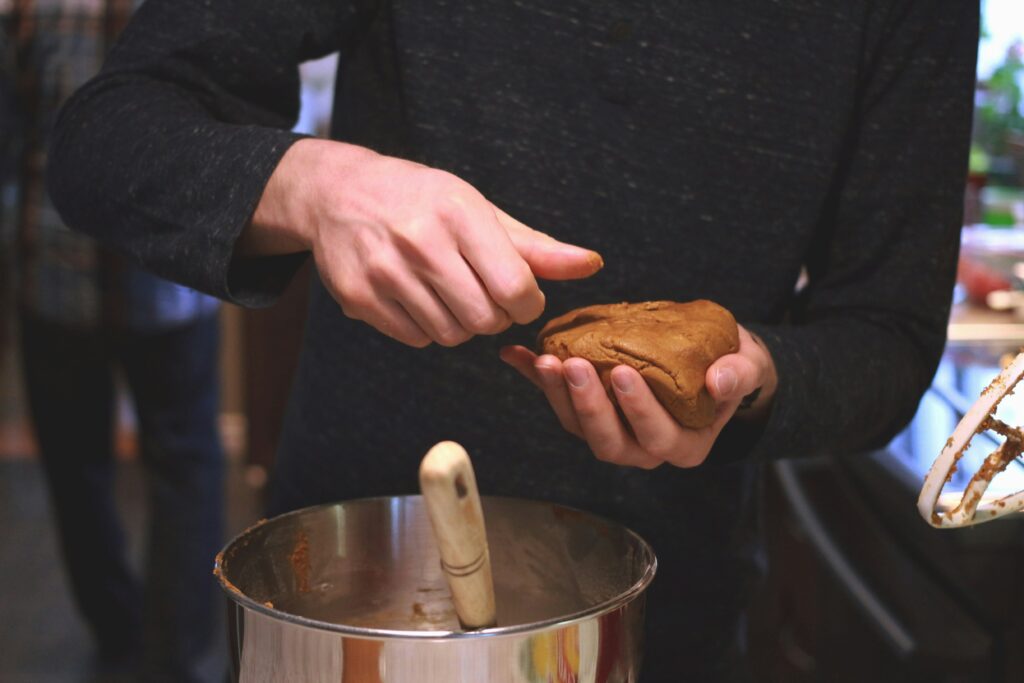
Salt is the backbone of flavor. It doesn’t just make food salty it makes ingredients taste more like themselves. A pinch here or there can unlock sweetness in tomatoes, deepen the savoriness of mushrooms, or make a cut of meat taste fuller and richer. If your food tastes flat, odds are it needs salt, not more spices.
Use kosher or sea salt whenever you can. They’re easier to pick up and control with your fingers, and they don’t have the bitterness or added chemicals that come with factory produced table salt. Cleaner taste, better results.
Timing matters. Salt meat early way before it hits the heat. That gives it time to penetrate, tenderize, and do its thing. For starches like pasta, rice, or potatoes, salt after cooking (or into the cooking water) to avoid messing with texture. Season smart, and you’ll notice the difference.
Balance with Acidity
Salt gets the spotlight, but acid plays just as critical a role in flavor. It brightens. It sharpens. It makes everything pop without overpowering. Think of acid as the element that adds clarity to a dish, lifting dull flavors and cutting through richness.
You’ve got options. Lemon juice does wonders after roasting vegetables just a quick squeeze right as they come out of the oven. Vinegar belongs in stews and braises; one splash can turn something flat into something satisfying. Yogurt adds tang and creaminess in equal measure, especially in marinades. Tamarind? That’s your secret weapon for adding depth and gentle sourness to soups and sauces.
Use acid the same way you’d use salt: responsibly, frequently, and always with purpose.
Don’t Sleep on Fat
Fat does more than fill space on a nutrition label it’s what takes food from one note to full bodied. It carries flavor compounds across your tongue and helps seasonings hang onto ingredients. That drizzle of oil or knob of butter isn’t just for shine. It’s a tool.
But all fats aren’t created equal. Butter adds depth and richness, making sauces velvety or toast taste indulgent. Olive oil lends a grassy freshness and works best for salads or gentle sautés. Sesame oil? A few drops go a long way use it for nuttiness that lingers.
Reach for fat when flavors get too sharp say, acid or spice needs softening or when you want spices to stick and soak. It’s the glue and the amplifier. Learn which fat fits the flavor and use it with purpose.
Master the Spice Rack
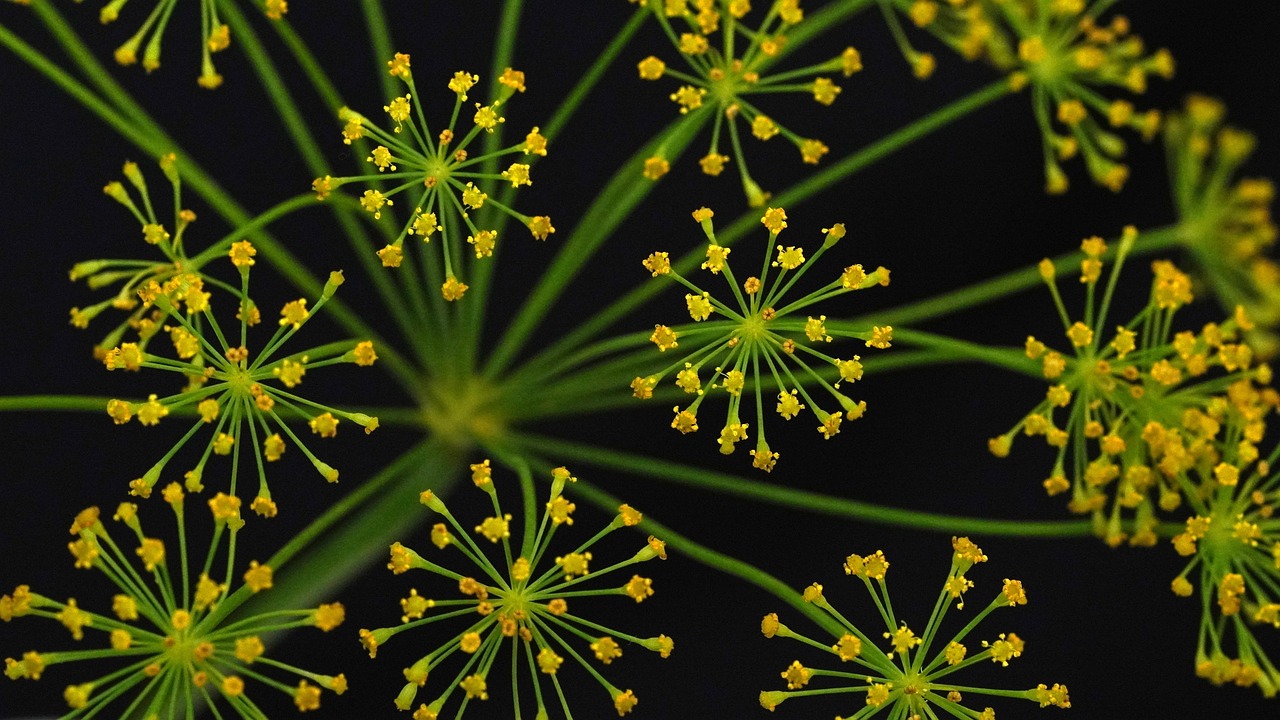
Spices are your flavor backbone, but only if you treat them right. Start fresh whole spices give you more impact and aroma than the stale pre ground stuff on the back shelf. Toast them lightly in a dry pan until just fragrant, then grind. That heat wakes up their oils and makes everything they touch taste more alive.
Understand what each spice brings to the table. Cumin adds an earthy pull, paprika lends smoke and color, and coriander brings a citrus edge. Don’t just dump them in all at once. Layer. Start with stronger spices early in cooking, then add lighter or more delicate ones later to refine the taste. It’s not about more it’s about intention. Build your flavor like you’d build a good story: one note at a time.
Taste As You Go (Seriously)
Seasoning isn’t a one and done job it’s an ongoing conversation between you and your pan. Start light. You can always add more salt or chili later, but pulling it back is almost impossible. Especially with heat: too much spice too soon will steamroll everything else.
Keep a spoon within arm’s reach. Taste often. Food changes as it cooks the sweetness rises, bitterness settles, spices mellow. Tuning into those shifts in real time is where good seasoning habits are built. You’re not just feeding yourself; you’re training your palate.
And don’t skip the final taste. Heat dulls perception, and letting something simmer might mute the punch of your earlier work. That last check in is where you catch what it’s missing maybe a pinch of acid, a hit of salt, or just a reminder that yeah, you nailed it.
Sweetness Has a Place
Sweetness often gets overlooked in savory cooking, but it plays a surprisingly powerful role in flavor balance. A touch of sugar or other naturally sweet ingredients can take a dish from flat to full bodied when used intentionally.
Why Use Sweetness in Savory Dishes?
Balances acidity: A pinch of sugar can soften the sharp edges of acidic ingredients like tomatoes, vinegar, or citrus.
Rounds out spice: A bit of sweetness can mellow spicy heat, making flavors more approachable and layered.
Adds depth: Subtle sweetness can deepen umami flavors and bring complexity to sauces and stews.
Where to Add It
Consider a dash of sugar when cooking these common dishes:
Tomato based sauces: Cuts acidity and enriches the overall taste
Chili or stew: Balances heat and thickens the flavor profile
Vinaigrettes: Creates harmony between tangy and oily components
Remember, less is more. Start with a small amount and taste your goal is balance, not dessert.
Timing is Everything
Knowing when to add an ingredient can be just as important as knowing what to add. Timing directly impacts how flavors develop, blend, or stand out in a final dish. Two key areas to master: herbs and spices.
Use Herbs Wisely
Herbs can be delicate or robust, and their timing in a recipe maximizes their impact:
Fresh herbs like basil, parsley, and cilantro should be added at the end of cooking. This preserves their bright color and fresh, aromatic qualities.
Dried herbs like oregano, thyme, or rosemary should be added early in the cooking process to give them time to rehydrate and infuse their flavor into the dish.
Pro Tip: Think of fresh herbs as a garnish and dried herbs as a base note.
Toast Your Spices for Depth
Don’t just throw spices into a dish wake them up first. Toasting spices in a dry pan or hot oil at the beginning of cooking helps bloom their essential oils and unlock deeper layers of taste.
Toast whole spices like cumin seeds, coriander, or fennel on dry heat before grinding.
Heat ground spices gently in oil (a method called tempering) to open up their aroma without burning them.
Always keep an eye on spices while toasting burnt spices turn bitter fast.
Understanding the timing of herbs and spices turns bland food into a balanced, flavorful meal. It’s a small change with a big payoff.
Knife Skills Make a Difference
Good flavor starts long before the seasoning hits the pan. If your ingredients are cut evenly, they cook evenly. That means flavors distribute consistently, and nothing burns while something else stays underdone. It’s not just about looks it’s about control.
Smaller, uniform pieces also absorb marinades, sauces, and spices more thoroughly. Think about it: a cube of potato the size of a golf ball won’t soak in anything, but dice it down and suddenly it’s a sponge for flavor.
Basic prep isn’t glamorous, but it sets the tone for everything else. If you want to sharpen your edge in the kitchen, start here: Beginner’s Guide to Knife Skills Every Home Cook Should Know.
Final Thought: Season Intentionally
Seasoning doesn’t belong to chefs or food scientists alone. It’s built through repetition, attention, and a willingness to mess it up a few times. There’s no single formula for perfect flavor because there’s no single dish, setting, or eater. One person’s too salty is another’s just right.
Treat seasoning like a craft. You practice. You notice. Over time, your instincts take over. You start knowing when a squeeze of lemon will lift the whole dish, or if one more pinch of salt is too much. Recipes help, sure. But your palate is the tool that improves with use.
You won’t always hit it the first try. That’s fine. Keep tasting. Keep adjusting. This isn’t magic it’s muscle memory, built one spoonful at a time.
 Malric Tornhaven is the kind of writer who genuinely cannot publish something without checking it twice. Maybe three times. They came to food trends and insights through years of hands-on work rather than theory, which means the things they writes about — Food Trends and Insights, Healthy Eating Strategies, Culinary Techniques and Guides, among other areas — are things they has actually tested, questioned, and revised opinions on more than once.
That shows in the work. Malric's pieces tend to go a level deeper than most. Not in a way that becomes unreadable, but in a way that makes you realize you'd been missing something important. They has a habit of finding the detail that everybody else glosses over and making it the center of the story — which sounds simple, but takes a rare combination of curiosity and patience to pull off consistently. The writing never feels rushed. It feels like someone who sat with the subject long enough to actually understand it.
Outside of specific topics, what Malric cares about most is whether the reader walks away with something useful. Not impressed. Not entertained. Useful. That's a harder bar to clear than it sounds, and they clears it more often than not — which is why readers tend to remember Malric's articles long after they've forgotten the headline.
Malric Tornhaven is the kind of writer who genuinely cannot publish something without checking it twice. Maybe three times. They came to food trends and insights through years of hands-on work rather than theory, which means the things they writes about — Food Trends and Insights, Healthy Eating Strategies, Culinary Techniques and Guides, among other areas — are things they has actually tested, questioned, and revised opinions on more than once.
That shows in the work. Malric's pieces tend to go a level deeper than most. Not in a way that becomes unreadable, but in a way that makes you realize you'd been missing something important. They has a habit of finding the detail that everybody else glosses over and making it the center of the story — which sounds simple, but takes a rare combination of curiosity and patience to pull off consistently. The writing never feels rushed. It feels like someone who sat with the subject long enough to actually understand it.
Outside of specific topics, what Malric cares about most is whether the reader walks away with something useful. Not impressed. Not entertained. Useful. That's a harder bar to clear than it sounds, and they clears it more often than not — which is why readers tend to remember Malric's articles long after they've forgotten the headline.