
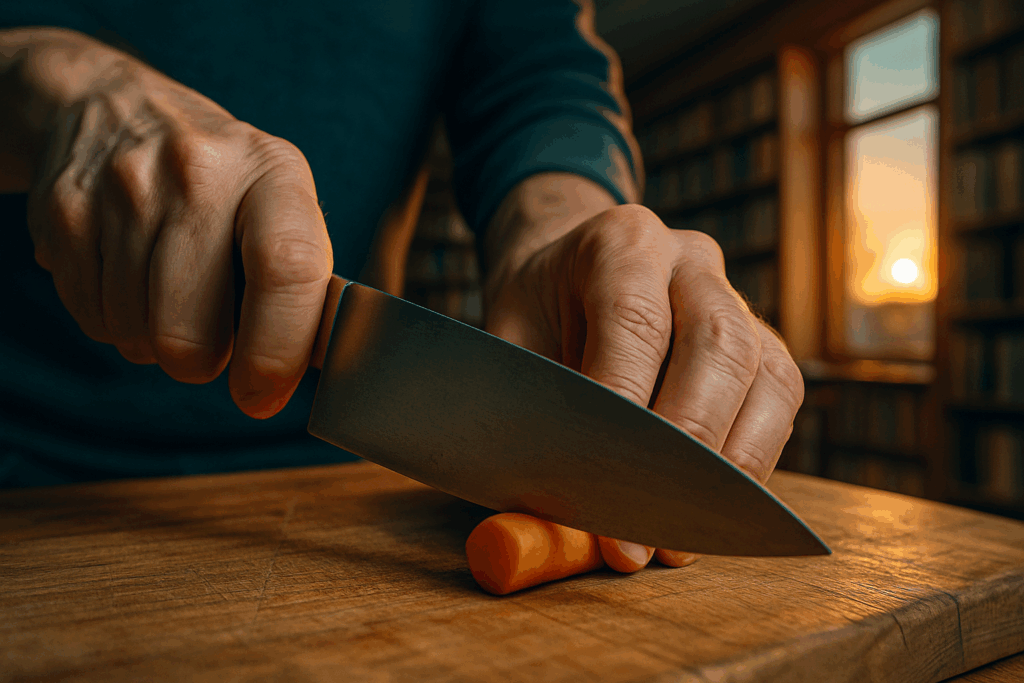
Why Knife Skills Matter in 2026
Knife skills are often overlooked, but they’re one of the fastest ways to upgrade your home cooking. Mastering a few foundational techniques can transform your kitchen efficiency and improve the overall quality of your meals.
Prep Faster Without Sacrificing Safety
Cutting quickly doesn’t mean cutting corners. When you know how to hold your knife and move with intention:
You reduce the time spent on chopping, dicing, and slicing
You minimize the risk of slips or cuts caused by poor form
Your workflow becomes smoother, more predictable
Being quick in the kitchen starts with being confident.
Better Knife Skills, Better Meals
Uniform knife cuts aren’t just visually appealing they actually cook more evenly. That means:
Stir fries with balanced textures
Soups where no ingredient feels over or undercooked
Salads that look appealing and hold dressings better
A consistent cut leads to a consistent dish.
Less Waste, Smarter Slicing
Efficient technique helps you get the most out of each ingredient:
Trim less by understanding what’s edible and what isn’t
Slice around stems, seeds, and cores with precision
Get full value out of fresh produce and proteins
Improved knife skills can reduce waste and save money with every meal.
Ultimately, sharpening your knife skills means sharpening your cooking confidence. And that’s a win every time you step into the kitchen.
The 3 Essential Knives Every Kitchen Needs
If you’re stocking a kitchen or rebuilding one from scratch start with three knives. Not twelve. Just three.
Chef’s Knife: Your Workhorse
This is your number one. It’s big, it’s balanced, and it can do about 85% of your prep. Think chopping herbs, slicing meat, dicing onions, smashing garlic. Look for an 8 inch blade with good weight, full tang (meaning the metal runs through the handle), and a comfortable grip. It should feel like an extension of your arm.
Paring Knife: For Small, Controlled Tasks
This one’s your scalpel. Ideal for peeling, trimming, coring, and other detail work where a big blade just gets in the way. Keep it razor sharp. It’s no good to you dull.
Serrated Knife: Not Just for Bread
Yes, it’ll saw through bread without crushing it, but that’s not all. It excels at slicing tomatoes, citrus fruits, or anything with a tough skin and soft interior. It’s also your go to for cutting cake layers and sandwiches with clean edges.
What to Look for When Buying a New Knife
Skip the sets unless they’re from a reputable brand most include filler knives you’ll never use. Focus on build quality. Stainless or high carbon steel are both solid. The knife should feel balanced, and the blade should taper to a fine edge. Bonus if the handle doesn’t make your hand ache after a long prep session.
Quick Note on Sharpening and Maintenance
A dull knife is more dangerous than a sharp one. Learn to use a honing rod it keeps your edge aligned. Get a whetstone or find a local sharpening pro for periodic touch ups. Always hand wash your knives. Don’t toss them in the dishwasher unless you like rust and regret.
Start with these three and learn them well. Everything else fillet knives, cleavers, boning knives are upgrades for when you know what you’re doing.
Core Techniques to Master First
Mastering knife skills starts with the basics. Before you dice an onion or filet a fish, you need to understand how to safely and effectively control your tools. Good technique isn’t just about safety it also leads to faster, cleaner cuts and more consistent results.
How to Hold a Knife Correctly
Most beginners grip a knife like they’re hanging off a cliff tight and tense, leading to muscle fatigue and poor control. Instead, develop a grip that’s firm yet relaxed.
Pinch the blade, not just the handle: Your thumb and index finger should rest on each side of the blade near the handle.
Wrap the remaining fingers around the handle for stability.
Keep your wrist flexible, allowing better movement and less strain.
This “pinch grip” offers more control over the blade and reduces the chance of slipping.
The Importance of a Stable Cutting Board
A wobbly cutting board is an accident waiting to happen. Make your cutting surface dependable before you even pick up your knife.
Place a damp kitchen towel or non slip mat under the cutting board.
Use wooden or plastic boards that won’t dull your blades.
Regularly clean and dry them after each use to prevent warping and bacteria.
The Claw: Your Cutting Hand’s Safety Net
Your non dominant hand guides your ingredients. “The claw” technique keeps your fingertips away from the blade at all times.
Tuck your fingertips under, using your knuckles as a guide.
Form a gentle claw shape, not a tight fist.
Let the knife blade run lightly along your knuckles as you slice.
Practicing this technique builds muscle memory and significantly reduces your chances of injury.
Start slow, focus on each motion, and prioritize safety. Before long, these fundamentals will become second nature and your prep work will be faster, cleaner, and far more enjoyable.
Cuts Every Beginner Should Practice
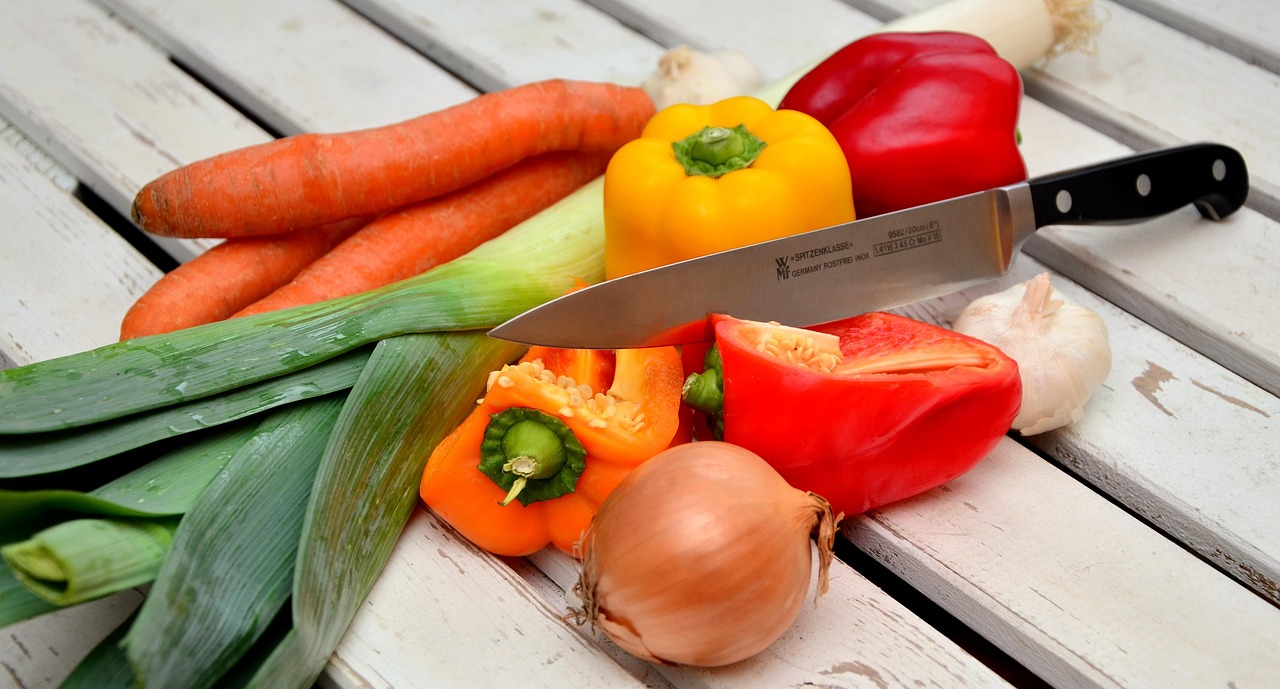
Chop vs. Dice vs. Mince: What’s the Difference?
Let’s keep it simple. Chopping is about speed and rough size not uniformity. Use it when precision doesn’t matter, like breaking down onions or carrots for stock. Dicing steps it up: You’re aiming for even cubes, usually in small (¼ inch), medium (½ inch), or large (¾ inch) sizes. That consistency helps with even cooking. Mince is ultra fine. Think garlic or herbs tiny pieces to infuse flavor without biting into a chunk. The smaller you go, the more surface area you create. Translation: more flavor, fast.
How to Julienne for Ribbons and Matchsticks
Julienning looks fancy but it’s just controlled slicing. Stack your veggie (carrots and bell peppers are common), square the edges, then cut thin even slabs, followed by slender sticks. Ribbons are just wider cuts same principles, less fuss. The key is a sharp knife and steady rhythm. You’ll get there.
Slicing Proteins with Precision
Muscle fibers matter. Cut across the grain, not with it. This shortens the muscle strands and makes every bite easier to chew. For raw meat, partially freezing it helps you slice cleaner. For cooked, let it rest first this keeps the juices from bleeding out all over your board.
Pro Tip: How to Break Down a Chicken Safely
You don’t need to be a butcher, but knowing how to break down a whole bird saves money and boosts your confidence fast. Start with a sharp chef’s knife, remove the legs first by pulling them away and slicing through the joint. Wings are next. Then separate the breast from the backbone. Go slow. Work with the joints, not against them. Watch a step by step video the first few times; it’s a game changer.
Building Muscle Memory Through Repetition
Knife skills are all about muscle memory. You don’t get faster and safer by thinking you get there by doing. Repetition burns in the motion. Spend 10 minutes a day slicing something: cucumbers, onions, herbs, whatever. You’ll find your hands start to move smoother, your prep gets quicker, and your confidence sharpens with your knife.
Safety First, Always
Let’s get one thing straight: dull knives are dangerous. They don’t glide they drag. That means more slipping, more muscle behind each cut, and a much higher chance of the blade going where you didn’t intend. A sharp knife does the work for you. A dull one makes you wrestle with it, and that’s how fingers get in trouble.
Treat your blade with some respect. After you use it, clean it right away with warm water and mild soap. No dishwasher. Not only can dishwashers dull the blade, they also increase the odds of chips and rust. Dry it immediately, then store it in a knife block, magnetic strip, or blade guard not tossed loose in a drawer where it can get banged up (or cut someone rooting around for a peeler).
Even with the best care and habits, accidents happen. When you cut yourself and you will if you cook often don’t panic. Apply pressure with a clean towel, elevate the cut, and wash it once the bleeding slows. Then cover it with a bandage and maybe slap on a finger cot if you’re headed back to chopping. It’s not glamorous, but it beats waiting in urgent care because you ignored basics.
Safe prep isn’t optional. It’s the foundation of good cooking.
Bonus Skill: Combining Knife Work with Modern Cooking
Sharp cuts meet slow precision. That’s the magic when you pair solid knife skills with sous vide cooking. Say you’ve just sliced a thick cut steak evenly clean, confident strokes. Now imagine dropping that steak into a sous vide bath for a few hours at a perfect 130°F. You’re locking in flavor, tenderness, and moisture something no frying pan can guarantee by itself.
This blend of old school technique and smart cooking tech gives you chef level results without a restaurant kitchen. Dicing root vegetables to uniform size before sous vide ensures even cooking, no mushy pockets or half cooked bites. Thinly sliced aromatics? Depth of flavor, controlled from start to finish.
If you’re new to sous vide, don’t wing it. Read up before you bag and plunge. Start with this beginner friendly primer: Sous Vide Cooking: What It Is and How to Start.
Next Steps to Level Up
Practicing on onions has its place. But if you want to seriously improve your knife skills, move beyond the basics and into cooking real meals. Prepping onions for the sake of muscle memory is fine but cutting a range of vegetables and proteins under the time pressure of a live recipe forces you to apply technique with purpose. That’s where the growth happens.
Try recording your prep. Nothing’s more honest than watching yourself dice, slice, or struggle through a bell pepper. Filming reveals habits you didn’t know you had like gripping your knife too tight or curling your claw hand too loosely. Make small adjustments. You’ll get sharper, faster.
And don’t go it alone. In 2026’s creator rich universe, learning from pros is easier than ever. MasterClass, culinary YouTube channels, short form reels with chefs breaking down techniques in under 30 seconds it’s all there. Pick one or two solid sources, stick with them for a while, and try what you see. Imitation is part of mastery. Just don’t forget to cook real food. That’s the whole point.
Stay sharp literally and figuratively. The right knife skills don’t just make cooking easier. They make you more confident in the kitchen, and everyone’s food better because of it.
 Ask Michael Dilliorez how they got into culinary techniques and guides and you'll probably get a longer answer than you expected. The short version: Michael started doing it, got genuinely hooked, and at some point realized they had accumulated enough hard-won knowledge that it would be a waste not to share it. So they started writing.
What makes Michael worth reading is that they skips the obvious stuff. Nobody needs another surface-level take on Culinary Techniques and Guides, Healthy Eating Strategies, Food Trends and Insights. What readers actually want is the nuance — the part that only becomes clear after you've made a few mistakes and figured out why. That's the territory Michael operates in. The writing is direct, occasionally blunt, and always built around what's actually true rather than what sounds good in an article. They has little patience for filler, which means they's pieces tend to be denser with real information than the average post on the same subject.
Michael doesn't write to impress anyone. They writes because they has things to say that they genuinely thinks people should hear. That motivation — basic as it sounds — produces something noticeably different from content written for clicks or word count. Readers pick up on it. The comments on Michael's work tend to reflect that.
Ask Michael Dilliorez how they got into culinary techniques and guides and you'll probably get a longer answer than you expected. The short version: Michael started doing it, got genuinely hooked, and at some point realized they had accumulated enough hard-won knowledge that it would be a waste not to share it. So they started writing.
What makes Michael worth reading is that they skips the obvious stuff. Nobody needs another surface-level take on Culinary Techniques and Guides, Healthy Eating Strategies, Food Trends and Insights. What readers actually want is the nuance — the part that only becomes clear after you've made a few mistakes and figured out why. That's the territory Michael operates in. The writing is direct, occasionally blunt, and always built around what's actually true rather than what sounds good in an article. They has little patience for filler, which means they's pieces tend to be denser with real information than the average post on the same subject.
Michael doesn't write to impress anyone. They writes because they has things to say that they genuinely thinks people should hear. That motivation — basic as it sounds — produces something noticeably different from content written for clicks or word count. Readers pick up on it. The comments on Michael's work tend to reflect that.