
Why Batch Cooking Still Works in 2026
Time’s not slowing down. Work, family, social stuff it stacks up fast. That’s why batch cooking isn’t just convenient anymore. It’s practical survival. Planning your meals ahead of time creates space in the week. One solid cooking session and you’ve got food ready to go. No scrambling at 7 p.m., no last minute takeout.
It’s also smart. You cut down on waste because you’re buying with purpose. You eat better because you’re not defaulting to ultra processed options when energy runs out. And the bonus? You save money while you’re at it.
Doesn’t matter if you live alone, cook for two, or manage a busy family. The concept scales. One pot of soup, a tray of roasted veg, some cooked grains it all stretches in ways that make weekday eating feel effortless. It’s not just about eating it’s about reclaiming your time.
Step 1: Set a Realistic Plan
Start simple. Choose 2 3 proteins that you actually like eating on repeat think grilled chicken thighs, black beans, or tofu. Add a couple of grains like rice, quinoa, or couscous, and a few veggies that hold up well through the week. Roasted broccoli, sautéed greens, or even raw carrots can stretch nicely across meals.
If you’re just getting started with batch cooking, don’t go all in on a full week. Stick to prepping for 3 4 days. It keeps things manageable and cuts down on waste if something turns out… less than inspiring. Plus, you’ll get a feel for how much food you really need.
Lastly, plan around your real life. Have a packed few days coming up? Go for recipes that reheat straight from the fridge without turning to mush. Curries, casseroles, stir fries they’re your weeknight MVPs. The goal isn’t perfection. It’s eating well without thinking too hard every night.
Step 2: Gather the Right Tools
Having the right tools doesn’t make you a chef but it makes things smoother. Start with the basics: sharp knives to make prep quicker and safer, large pots to cook in volume, and airtight containers to keep your meals fresh longer. You’ll also want a few solid sheet pans on hand great for roasting veggies or proteins in bulk without juggling multiple pans.
Accuracy matters when you’re cooking for the week. That’s where a kitchen scale and measuring cups come in. Guesswork leads to meals that don’t reheat well or throw off your portions. Simple tools, but they create consistency.
Don’t ignore tech. A slow cooker can handle stews while you do other things. A rice cooker turns out perfect grains with no babysitting. And digital timers? They free up your brain. Batch cooking should be efficient, not exhausting.
Check out these Top Time Saving Kitchen Tools for Meal Prep
Step 3: Cook Smart, Not Hard
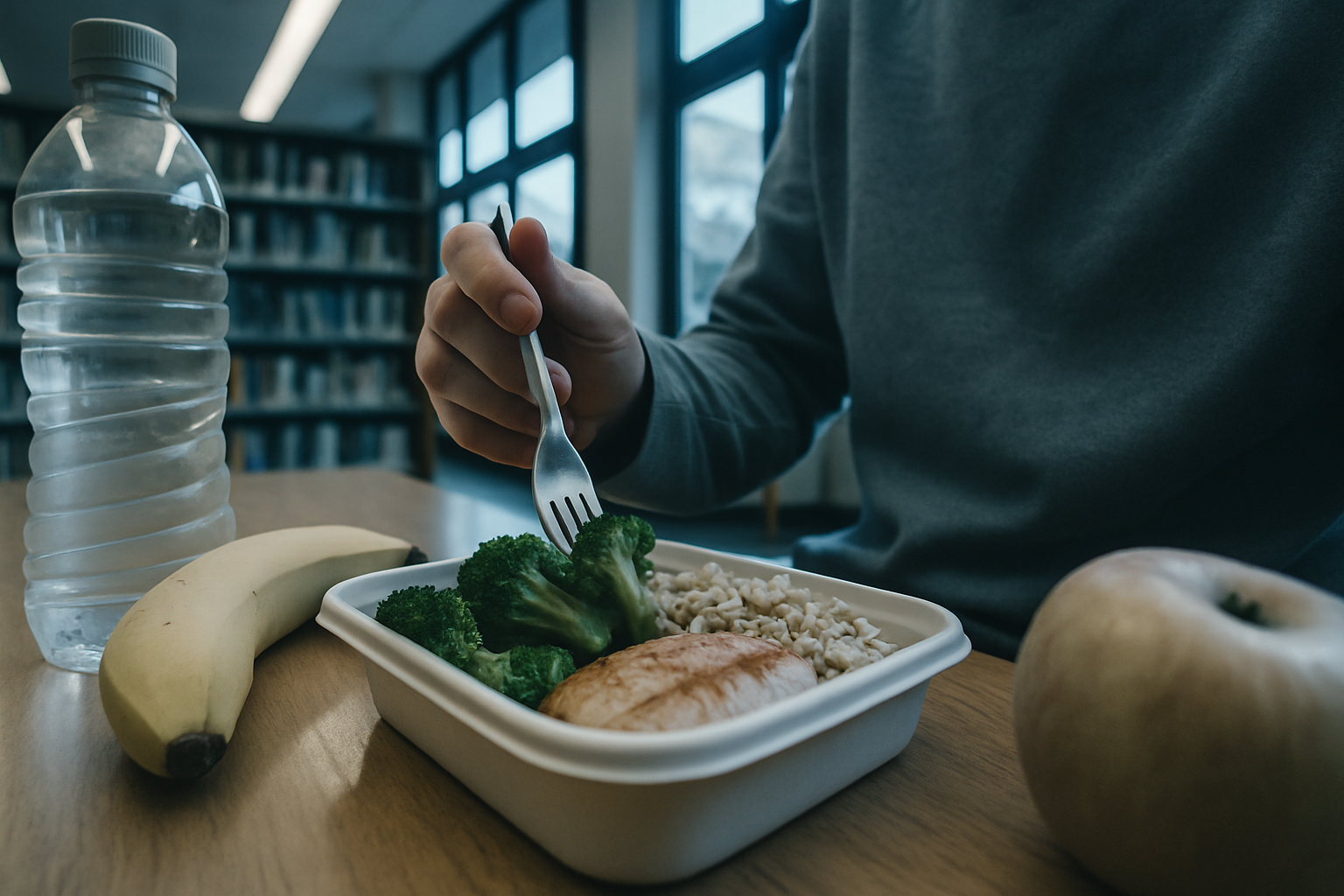
The real power of batch cooking is working smarter with what you’ve got. Start by picking overlapping ingredients. If you’re using chopped onions in three meals, prep them all at once. Roasting sweet potatoes? Do enough to cover breakfast hash, grain bowls, and burrito fillings. Avoiding waste doesn’t just save food it saves money and time, too.
Cook in batches with purpose. Roasting, steaming, and sautéing are your go to methods here. They’re easy to scale, minimize cleanup, and let you prepare multiple dishes at once. Fill the oven with chopped veggies or marinated chicken. Get grains and legumes going on the stove while a stir fry sizzles in a pan.
Once it’s cooked, don’t rush things. Let food cool before sealing it up jumping the gun traps steam, which leads to soggy textures or worse, bacterial growth. Room temperature first, fridge second.
Finally, label everything. Sharpie marked painter’s tape does the trick: write down what’s inside and when you made it. Future you will thank you when digging through the fridge midweek.
This isn’t about being perfect. It’s about stacking wins, one prep session at a time.
Step 4: Store and Rotate with Purpose
Stacking food in random containers is a fast track to a cluttered fridge and wasted effort. Stick with stackable, uniform containers to maximize fridge and freezer space. You’ll fit more meals and cut down the time spent digging through disorganized leftovers.
Once your meals are cooled, labeled, and packed, set up a simple rotation system. Oldest meals should be eaten first. Push newer dishes to the back, older ones to the front. This reduces food waste and avoids the surprise of a forgotten container morphing into a science experiment.
Finally, don’t underestimate future you’s gratitude. When you’ve got more portions than you’ll realistically eat this week, freeze them. Full meals in the freezer mean fewer late night delivery temptations. Label clearly with what it is and when you froze it. On crazy days, all you have to do is heat and eat.
Simple Meal Ideas to Get Started
Batch cooking doesn’t have to mean eating the same exact thing over and over. These staples are flexible, easy to prep, and designed to mix and match across your week.
Batch chili is your weeknight hero. Make a big pot on Sunday beans, lentils, ground meat, or plant based protein all work. Serve it over rice, spoon it onto baked potatoes, or wrap it in a tortilla with some cheese and greens. It’s one recipe with three different meals baked in.
Roasted veggie sheet pans are low effort and high impact. Chop up seasonal vegetables, toss with oil and seasoning, and roast a large batch. Pair them with grilled chicken, baked tofu, or canned beans throughout the week. It’s a quick way to build a plate when time’s short.
Oats or egg muffins are game changers for mornings. Bake a tray of egg muffins with veggies and cheese, or prep overnight oats in jars. Both are grab and go options that cut the temptation to skip breakfast or rely on drive thru fixes.
Pick one from each category, and your week’s halfway handled.
Staying Consistent
Consistency is what separates a one off batch cook from a kitchen routine that actually sticks. Start by reusing your favorite meal plans each month they worked once, they’ll work again. No need to reinvent the wheel every week. Just mix in occasional new dishes to keep things interesting.
Keep a rolling grocery list on your phone. Update it throughout the week when you notice you’re low on staples. It beats scrambling through the pantry right before a shopping trip.
And claim Sunday evening as your “set up for the week” time. It doesn’t have to be a marathon. Just one hour to prep ingredients, cook a base meal or two, and portion things out. It keeps your weekdays less chaotic, your meals more intentional, and your food waste low.
Batch cooking isn’t just about saving time it’s about regaining control over your week. Start small, stay flexible, and let your fridge work for you.