

Why Portion Sizes Matter in 2026
We tend to obsess over ingredients sugar, carbs, fats but overlook a basic truth: how much we eat often matters more than what we eat. Even the healthiest foods can pile on excess energy if we’re casually doubling or tripling portions.
Supersized meals sneak in hidden calories fast. That large latte? That extra handful of trail mix? They add up, not because they’re evil, but because we underestimate how much we’re consuming. Calorie creep often comes from size, not substance.
Portion control isn’t about austerity or living off salad. It’s a practical tool to get back in sync with your body. Eating the right amount boosts energy, keeps focus sharp, and supports long term health goals without forcing you into diets or trackers. It’s not flashy but it works. And in a world designed to overserve, simplicity is power.
Visual Portion Comparisons You Can Actually Use
No measuring cups. No scales. Just your hands and a few mental snapshots.
Start with protein. A piece of meat or tofu that’s about the size and thickness of a deck of cards? That’s one serving. Solid rule of thumb for most adults.
Carbs like rice or pasta? Think one cupped hand. Easy to portion, even when you’re scooping from a shared pot or serving tray.
For fats nut butters, oils, avocado it’s simple: your thumb. That’s one serving. It keeps the calories in check, especially when healthy fats are deceptively dense.
Plant power comes last but takes up the most space. Two fists’ worth of fruits and veggies is a solid benchmark for a balanced plate. Colorful, fiber rich, and filling all the good stuff our bodies actually need, no guesswork required.
This visual system works because it’s always with you and built around your individual frame. No math. Just awareness.
How to Read Plates, Not Just Labels
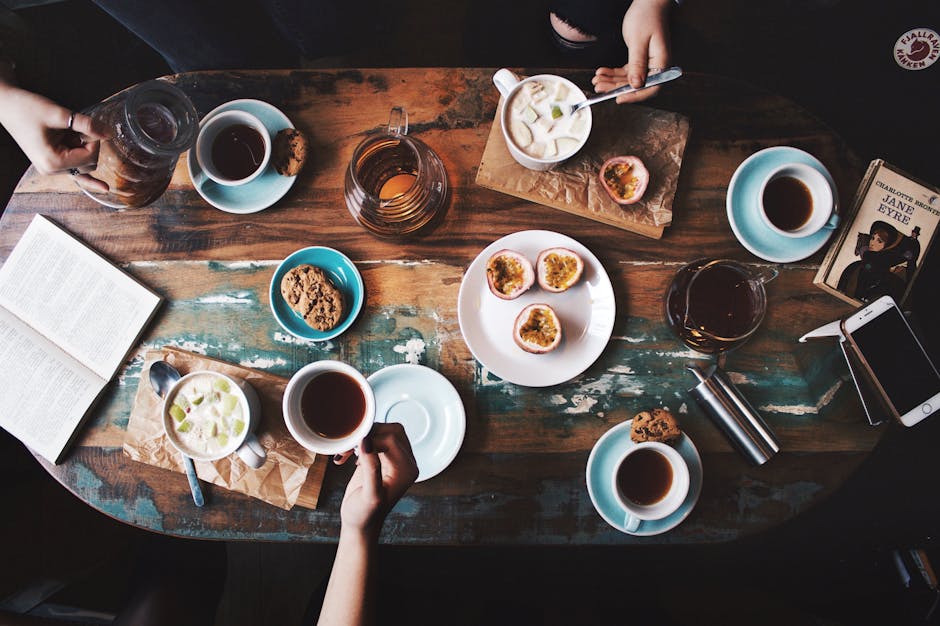
Walk into any chain restaurant today and you’re likely looking at a plate that could feed two to three people easily. The recommended serving of pasta? About one cup, roughly the size of your clenched fist. What you often get? Three cups, swimming in sauce and cheese. That’s not indulgence it’s portion distortion in full force.
Over the last 30 years, portion sizes have ballooned in ways our stomachs and brains aren’t built for. A bagel in the early ’90s was around 3 inches wide. Now? Closer to 6 inches and double the calories. Same story with muffins, sodas, and seemingly harmless grabs like trail mix. We’ve been trained to think “normal” means “oversized.”
Here’s where visual references beat calorie counting: they’re quick, sustainable, and work anywhere. You don’t need an app or food scale to eyeball a thumb sized pat of butter or visualize a cupped hand for rice. Once learned, these mental cues stick. They help you navigate portion chaos without obsessing over numbers.
So instead of flipping over nutritional labels or pulling out a calculator, train your eye. It saves time, reduces stress, and makes portion control feel like second nature not a math test after every meal.
Smart Tips to Recalibrate Your Plate
Creating healthier portions isn’t about strict rules or constant measuring. It’s about forming new habits that support balance, satisfaction, and ease. Here are four proven strategies to help you naturally rebalance your meals without obsessing over numbers.
Use Smaller Dishes
It’s a simple trick with powerful results. Eating from smaller plates and bowls can naturally limit food intake without leaving you hungry.
Visual cues influence how much you think you need
Larger dishes make portions look smaller, which can lead to overeating
Downsizing your plate size helps your brain register a full meal faster
Don’t Skip Meals
Skipping a meal might seem like a shortcut to cut calories, but it usually backfires.
Going too long without eating can lead to intense hunger and overcompensating later
Skipping meals may slow metabolism and lead to low energy and focus
Eat consistently to stay in control of your portions and appetite
Slow Down at Meal Time
Eating is not a race. Rushing through meals disconnects you from hunger cues and makes it easier to overeat.
Your stomach sends fullness signals to your brain but it takes about 20 minutes
Chewing thoroughly and taking breaks can help you feel satisfied with less
Mindful eating is a key strategy for portion awareness
Use the MyPlate Method
If you’re unsure how to visually plan portions, the MyPlate method is a straightforward guide to balanced eating.
The basic breakdown:
Half your plate = fruits and vegetables
One quarter = lean protein
One quarter = whole grains
This method is easy to apply to any cuisine or meal type, whether you’re dining in or out.
How to Build a Balanced Plate Using the MyPlate Method
By recalibrating small daily decisions, you can make portion control an effortless part of your routine.
Portioning in a World of Meal Prep, Delivery, and Desk Lunches
Managing portion sizes on the go isn’t about calorie counting in traffic or pulling out a scale at your desk. It’s about routines, habits, and having a practical eye for balance even when the meal comes in a clamshell container or a branded brown bag.
One easy habit: flip the lid. If you’re eating from a to go container, transfer your food to the top of the lid or a flat plate when you can. You’ll get a clearer sense of how much is actually there, especially when sauces, layers, and packaging bulk up the visual weight of your meal. At home, plating naturally slows you down and encourages better portion judgment. On the go, aim for visual cues half your meal should be plants, a quarter protein, a quarter complex carbs.
And grocery shopping? That’s where the real prep starts. Choose smaller packages of snacks, pre portioned servings of yogurt or nuts, and frozen meals where you recognize every ingredient on the label. Relying on family size bags and ‘just eyeballing it’ is where mindless eating sneaks in. Think realistic, not restrictive. Portion friendly shopping isn’t about less it’s about knowing what enough looks like.
Bottom Line: Visual Simplicity Wins
Portion control doesn’t need to be a spreadsheet or a second job. It starts with training your eyes. When you use visual cues like a deck of cards for protein or a cupped hand for carbs you start making better decisions without overthinking it. Your plate becomes your guide.
This isn’t about restriction. It’s about awareness. Instead of labeling foods as good or bad, just recognize how much you’re actually eating. Two oversized scoops of peanut butter? That’s not a snack, that’s a meal. When you see clearly, you eat smarter.
The goal is automation. Build in habits, like using smaller plates or setting consistent portions for staples. Make it effortless so portioning becomes something you do, not something you try to do. Over time, the body adapts. Hunger cues sharpen. Energy levels stay stable. You stop swinging from empty to overstuffed. Visual simplicity works, and it sticks.
 Malric Tornhaven is the kind of writer who genuinely cannot publish something without checking it twice. Maybe three times. They came to food trends and insights through years of hands-on work rather than theory, which means the things they writes about — Food Trends and Insights, Healthy Eating Strategies, Culinary Techniques and Guides, among other areas — are things they has actually tested, questioned, and revised opinions on more than once.
That shows in the work. Malric's pieces tend to go a level deeper than most. Not in a way that becomes unreadable, but in a way that makes you realize you'd been missing something important. They has a habit of finding the detail that everybody else glosses over and making it the center of the story — which sounds simple, but takes a rare combination of curiosity and patience to pull off consistently. The writing never feels rushed. It feels like someone who sat with the subject long enough to actually understand it.
Outside of specific topics, what Malric cares about most is whether the reader walks away with something useful. Not impressed. Not entertained. Useful. That's a harder bar to clear than it sounds, and they clears it more often than not — which is why readers tend to remember Malric's articles long after they've forgotten the headline.
Malric Tornhaven is the kind of writer who genuinely cannot publish something without checking it twice. Maybe three times. They came to food trends and insights through years of hands-on work rather than theory, which means the things they writes about — Food Trends and Insights, Healthy Eating Strategies, Culinary Techniques and Guides, among other areas — are things they has actually tested, questioned, and revised opinions on more than once.
That shows in the work. Malric's pieces tend to go a level deeper than most. Not in a way that becomes unreadable, but in a way that makes you realize you'd been missing something important. They has a habit of finding the detail that everybody else glosses over and making it the center of the story — which sounds simple, but takes a rare combination of curiosity and patience to pull off consistently. The writing never feels rushed. It feels like someone who sat with the subject long enough to actually understand it.
Outside of specific topics, what Malric cares about most is whether the reader walks away with something useful. Not impressed. Not entertained. Useful. That's a harder bar to clear than it sounds, and they clears it more often than not — which is why readers tend to remember Malric's articles long after they've forgotten the headline.